



-
 Afrikaans
-
 Albanian
-
 Amharic
-
 Arabic
-
 Armenian
-
 Azerbaijani
-
 Basque
-
 Belarusian
-
 Bengali
-
 Bosnian
-
 Bulgarian
-
 Catalan
-
 Cebuano
-
 Corsican
-
 Croatian
-
 Czech
-
 Danish
-
 Dutch
-
 English
-
 Esperanto
-
 Estonian
-
 Finnish
-
 French
-
 Frisian
-
 Galician
-
 Georgian
-
 German
-
 Greek
-
 Gujarati
-
 Haitian Creole
-
 hausa
-
 hawaiian
-
 Hebrew
-
 Hindi
-
 Miao
-
 Hungarian
-
 Icelandic
-
 igbo
-
 Indonesian
-
 irish
-
 Italian
-
 Japanese
-
 Javanese
-
 Kannada
-
 kazakh
-
 Khmer
-
 Rwandese
-
 Korean
-
 Kurdish
-
 Kyrgyz
-
 Lao
-
 Latin
-
 Latvian
-
 Lithuanian
-
 Luxembourgish
-
 Macedonian
-
 Malgashi
-
 Malay
-
 Malayalam
-
 Maltese
-
 Maori
-
 Marathi
-
 Mongolian
-
 Myanmar
-
 Nepali
-
 Norwegian
-
 Norwegian
-
 Occitan
-
 Pashto
-
 Persian
-
 Polish
-
 Portuguese
-
 Punjabi
-
 Romanian
-
 Russian
-
 Samoan
-
 Scottish Gaelic
-
 Serbian
-
 Sesotho
-
 Shona
-
 Sindhi
-
 Sinhala
-
 Slovak
-
 Slovenian
-
 Somali
-
 Spanish
-
 Sundanese
-
 Swahili
-
 Swedish
-
 Tagalog
-
 Tajik
-
 Tamil
-
 Tatar
-
 Telugu
-
 Thai
-
 Turkish
-
 Turkmen
-
 Ukrainian
-
 Urdu
-
 Uighur
-
 Uzbek
-
 Vietnamese
-
 Welsh
-
 Bantu
-
 Yiddish
-
 Yoruba
-
 Zulu



Aug . 21, 2026 15:08 Reen al listo
High Voltage Earthing Sets and Polymer Fish Tape Safety
In the demanding landscape of electrical infrastructure maintenance, ensuring the safety of technicians working with high-voltage systems is paramount. The implementation of specialized grounding solutions, often categorized under the broad utility of tools like polymer fish tape, represents a critical shift toward enhanced operator protection and system reliability. These systems are designed to mitigate the lethal risks associated with accidental energization and induced currents.
The global energy transition toward smarter grids and higher capacity transmission lines has increased the complexity of overhead line operations. As voltage levels rise, the potential for catastrophic arc flashes and electrical faults grows, necessitating the use of certified High Voltage Temporary Short Circuit Earthing Sets. These sets provide a controlled, low-resistance pathway to earth, effectively neutralizing hazardous potentials.
By integrating high-strength epoxy resin glass fiber materials and pure copper conductivity, modern earthing equipment ensures that safety standards are not just met but exceeded. Understanding the synergy between insulation and conductivity is key to deploying these tools effectively, much like the precision required when utilizing a polymer fish tape for cable routing in complex conduits.
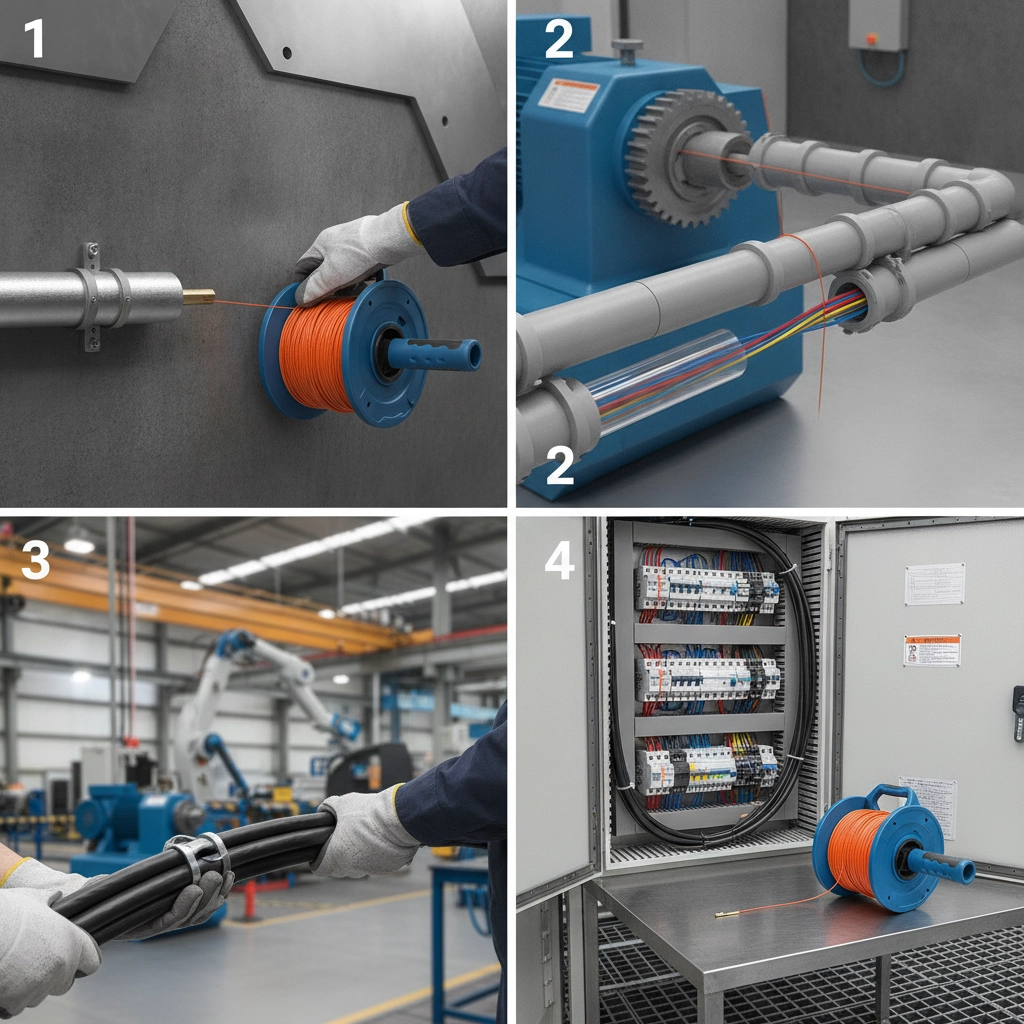
Core Components of Temporary Grounding Systems
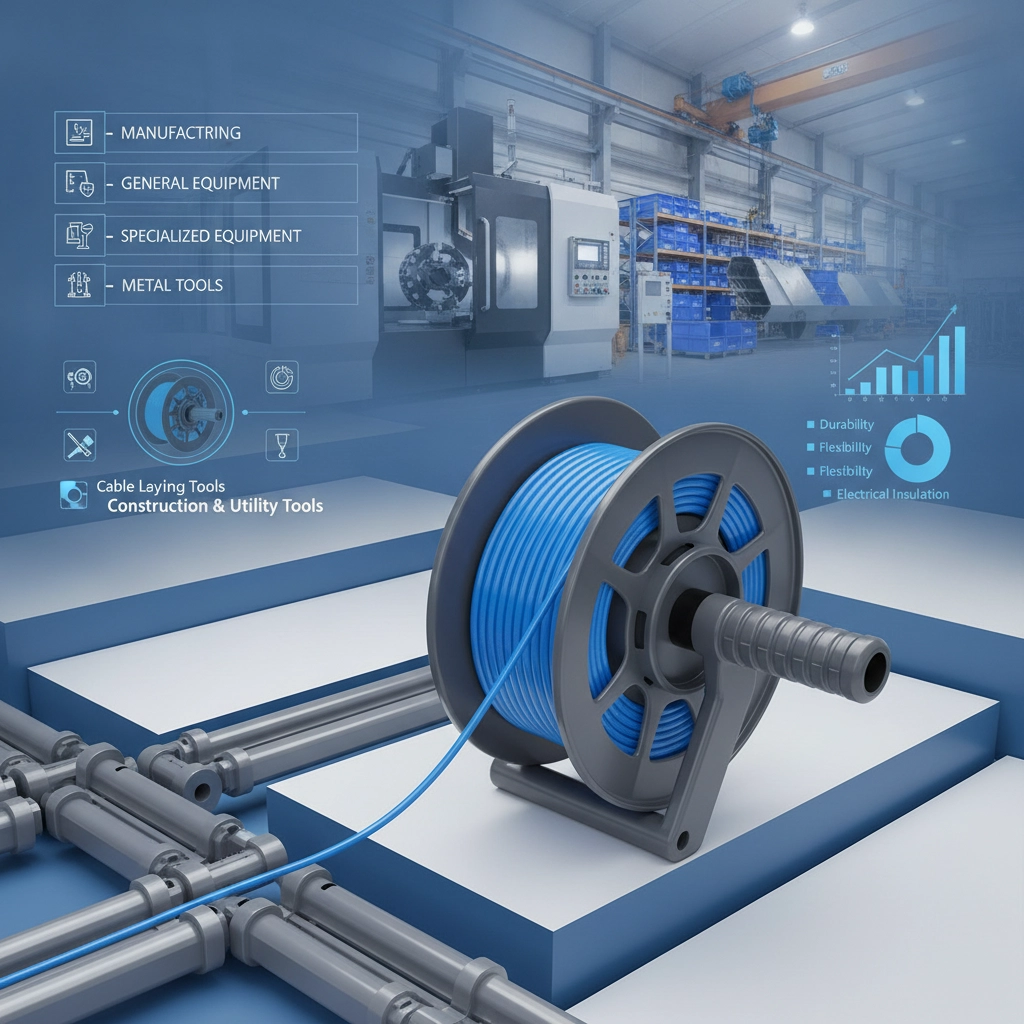
A professional High Voltage Temporary Short Circuit Earthing Set is an assembly of precision-engineered components. It primarily comprises Ground Sticks made of epoxy resin glass fiber for superior insulation, Ground Cables consisting of multi-strand soft copper for maximum conductivity, and Ground Clamps or Pins for secure attachment. These components are designed to be used in various configurations, including combination, tandem, and single-phase types, depending on the specific needs of the power grid maintenance task.
The integration of rubber handles with non-slip lines and insulated skirts ensures that the operator has a comfortable and safe grip during deployment. The use of aluminum die-casting for clamps provides high hardness and compression resistance, ensuring that the connection remains stable even under the mechanical stress of heavy-duty operations, mirroring the durability found in high-grade polymer fish tape tools used in construction.
Oftaj Demandoj
Epoxy resin glass fiber provides an exceptional balance of high dielectric strength and mechanical rigidity. This ensures that the operator is completely insulated from the high-voltage conductor while having a sturdy tool that does not bend or snap under the weight of the grounding cables. It is essential for maintaining a safe distance from energized parts.
The gauge of the copper wire determines its current-carrying capacity. In the event of a fault, the wire must be able to handle a massive surge of current without melting or snapping. Higher voltage systems (like 220KV) require thicker wire (e.g., 50mm²) to ensure the fault current is diverted to earth rapidly enough to trip the protective relays.
The double-tongue design, made of high-quality aluminum, provides a more secure and versatile attachment to the conductor. The wear-resistant indentations in the clamping area increase friction, preventing the clamp from slipping off the line, which is critical for maintaining a continuous ground during maintenance.
Yes, customization is a core feature. Parameters such as the length of the ground stick, the cross-sectional area of the copper wire, and the overall length of the cable can be adjusted to meet the specific voltage levels and physical constraints of a particular utility project.
Routine inspections should be performed before every use. This includes checking the insulating stick for cracks, the copper wire for frayed strands or insulation tears, and the clamps for corrosion or deformation. Mandatory periodic laboratory testing for dielectric strength is also recommended to ensure ongoing compliance.
Single-phase grounding is used for isolating a single conductor, whereas tandem or combination types allow for the simultaneous grounding of multiple phases. Bonding multiple phases together ensures that no potential difference exists between them, providing maximum safety for crews working on multi-phase overhead lines.
Conclusion
The deployment of High Voltage Temporary Short Circuit Earthing Sets is a cornerstone of modern electrical safety, ensuring that high-risk maintenance operations are conducted within a secure, zero-potential environment. By combining the insulating properties of epoxy resin glass fiber with the high conductivity of multi-strand copper, these tools effectively mitigate the dangers of induced voltage and accidental energization. The rigorous attention to material quality—from aluminum die-cast clamps to fatigue-tested wiring—reflects an industry commitment to worker protection and system stability.
As the global power infrastructure evolves toward higher voltages and smarter grids, the importance of utilizing certified, customizable grounding equipment will only grow. Investing in high-quality safety gear is not just about regulatory compliance; it is about fostering a culture of safety and reliability that protects the most valuable asset in the industry: the skilled technician. For those seeking professional utility tools and safety solutions, we invite you to explore our comprehensive range. Visit our website: www.bilopowtel.com
Lastaj novaĵoj
Professional Guide to Cable Installation with Ethernet Fish Tape
NovaĵojJul.01,2026
Professional Cable Installation Guide Using a Fish Tape
NovaĵojJun.29,2026
Professional Cable Installation Guide with 30m fish tape
NovaĵojJun.27,2026
Mastering Cable Installation with the 1 2 fish tape Guide
NovaĵojJun.26,2026
Ultimate Guide to Using 3 8 Fish Tape for Electrical Wiring
NovaĵojJun.25,2026
Best Electric Hoists for Sale A Complete Industrial Buyers Guide
NovaĵojJun.23,2026
- KONTAKTO
- ADRESO: 188, Fengshou Road, Shijiazhuang. Ĉinio
- RETpoŝto: info@bilopowtel.com
- TELEFONO: 0086-311-88862036
- WHATSAPP: 0086-152-26563165





