



-
 Afrikaans
-
 Albanian
-
 Amharic
-
 Arabic
-
 Armenian
-
 Azerbaijani
-
 Basque
-
 Belarusian
-
 Bengali
-
 Bosnian
-
 Bulgarian
-
 Catalan
-
 Cebuano
-
 Corsican
-
 Croatian
-
 Czech
-
 Danish
-
 Dutch
-
 English
-
 Esperanto
-
 Estonian
-
 Finnish
-
 French
-
 Frisian
-
 Galician
-
 Georgian
-
 German
-
 Greek
-
 Gujarati
-
 Haitian Creole
-
 hausa
-
 hawaiian
-
 Hebrew
-
 Hindi
-
 Miao
-
 Hungarian
-
 Icelandic
-
 igbo
-
 Indonesian
-
 irish
-
 Italian
-
 Japanese
-
 Javanese
-
 Kannada
-
 kazakh
-
 Khmer
-
 Rwandese
-
 Korean
-
 Kurdish
-
 Kyrgyz
-
 Lao
-
 Latin
-
 Latvian
-
 Lithuanian
-
 Luxembourgish
-
 Macedonian
-
 Malgashi
-
 Malay
-
 Malayalam
-
 Maltese
-
 Maori
-
 Marathi
-
 Mongolian
-
 Myanmar
-
 Nepali
-
 Norwegian
-
 Norwegian
-
 Occitan
-
 Pashto
-
 Persian
-
 Polish
-
 Portuguese
-
 Punjabi
-
 Romanian
-
 Russian
-
 Samoan
-
 Scottish Gaelic
-
 Serbian
-
 Sesotho
-
 Shona
-
 Sindhi
-
 Sinhala
-
 Slovak
-
 Slovenian
-
 Somali
-
 Spanish
-
 Sundanese
-
 Swahili
-
 Swedish
-
 Tagalog
-
 Tajik
-
 Tamil
-
 Tatar
-
 Telugu
-
 Thai
-
 Turkish
-
 Turkmen
-
 Ukrainian
-
 Urdu
-
 Uighur
-
 Uzbek
-
 Vietnamese
-
 Welsh
-
 Bantu
-
 Yiddish
-
 Yoruba
-
 Zulu



Sep . 05, 2026 22:04 Πίσω στη λίστα
Top Heavy Duty Cable Drum Stand Suppliers for Power Grids
Selecting the right support system for heavy-duty cable reels is a critical safety and efficiency decision for power grid and telecommunications projects. Improper support can lead to cable damage, structural collapse, or significant workplace hazards during the payout process.
The shift toward higher-capacity transmission lines has forced a re-evaluation of how these loads are managed. Modern infrastructure demands equipment that balances extreme load-bearing capacity with rapid deployment capabilities, moving away from static, improvised supports toward engineered systems.
Whether you are overseeing a metropolitan fiber rollout or a high-voltage utility installation, understanding the technical nuances of cable drum stand suppliers is essential for maintaining operational continuity and personnel safety.
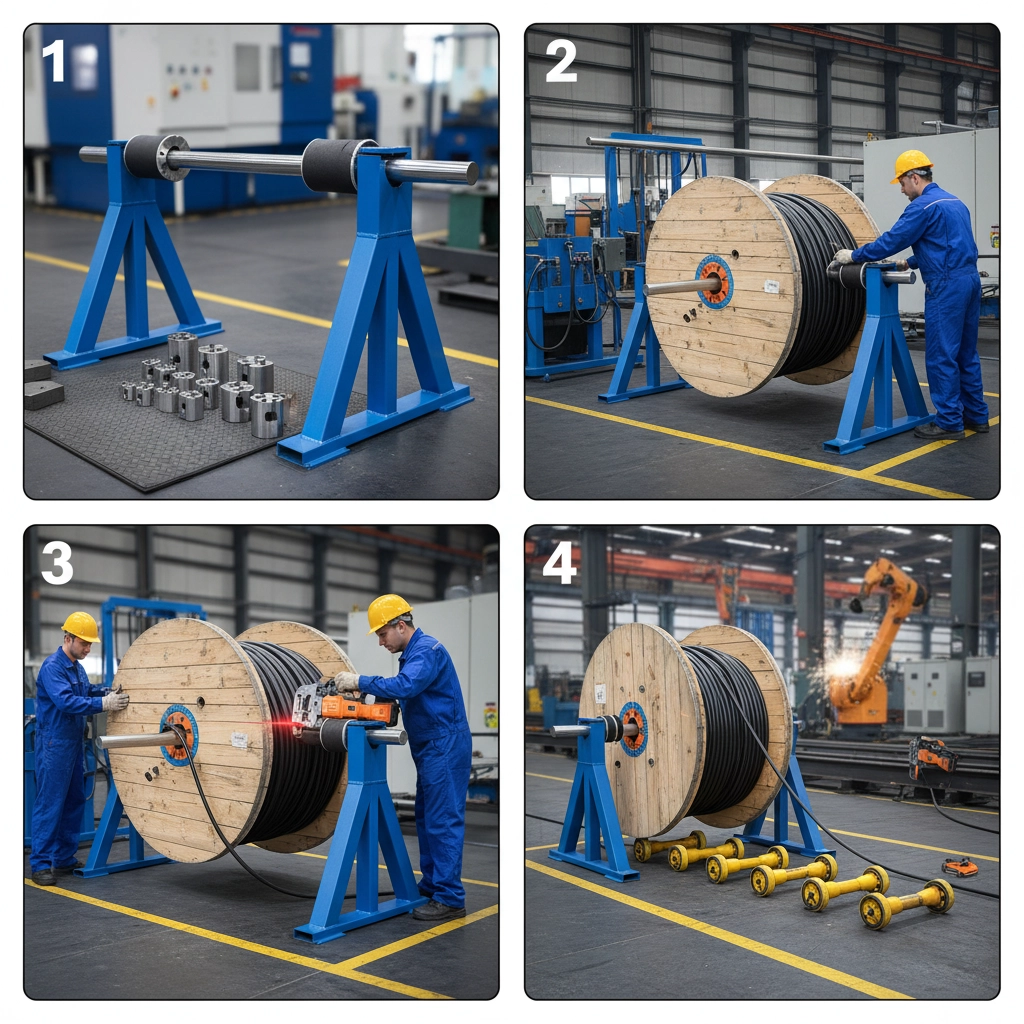
Mechanics of Cable Reel Support
The primary function of a cable drum stand is to provide a stable, low-friction axis of rotation for massive reels. Unlike simple jacks, engineered stands must counteract the lateral forces generated during cable pulling to prevent the reel from shifting or tipping.
Effective support requires a precise alignment between the reel's arbor and the stand's axle. Any misalignment creates uneven wear on the reel flanges and increases the tension on the cable, potentially compromising the integrity of the conductor or insulation.
Critical Design Parameters for Heavy-Duty Stands
When assessing technical specifications, the Safe Working Load (SWL) is the most critical metric. However, SWL must be viewed alongside the static and dynamic load factors. A stand that is stable when stationary may become unstable under the rhythmic oscillation of a cable pulling winch.
Another key factor is the adjustability of the axle width. Since cable reels vary significantly in diameter and width depending on the cable gauge and length, a stand with a telescopic or modular axle allows a single piece of equipment to serve multiple project needs, reducing logistics costs.
The integration of locking mechanisms is also paramount. High-quality stands utilize positive-locking pins or heavy-duty clamps to ensure the axle does not slide during rotation, which is a common failure point in low-end equipment.
Analyzing Material Stability and Load Distribution
The structural integrity of the stand depends on the grade of steel used and the quality of the welding. In the metal tool manufacturing sector, the transition from standard carbon steel to reinforced alloys has allowed for higher load capacities without increasing the overall weight of the equipment.
Optimal stability is achieved when the center of gravity of the loaded reel is perfectly aligned with the structural footprint of the stand, minimizing the torque applied to the base supports.
Load distribution is further managed through the use of wide-base plates. These plates prevent the stand from sinking into soft terrain, which is a frequent occurrence in outdoor utility constructions and remote power line installations.
Operational Performance Index
Evaluating the effectiveness of cable laying tools involves analyzing the trade-off between setup speed and maximum load capacity. A system that is too heavy requires a crane for positioning, which adds time and cost to the operation.
Conversely, lightweight portable designs are ideal for urban environments where space is limited, but they may lack the stability required for extreme-voltage cable drums. The following index illustrates the relative value of different stand configurations based on typical project requirements.
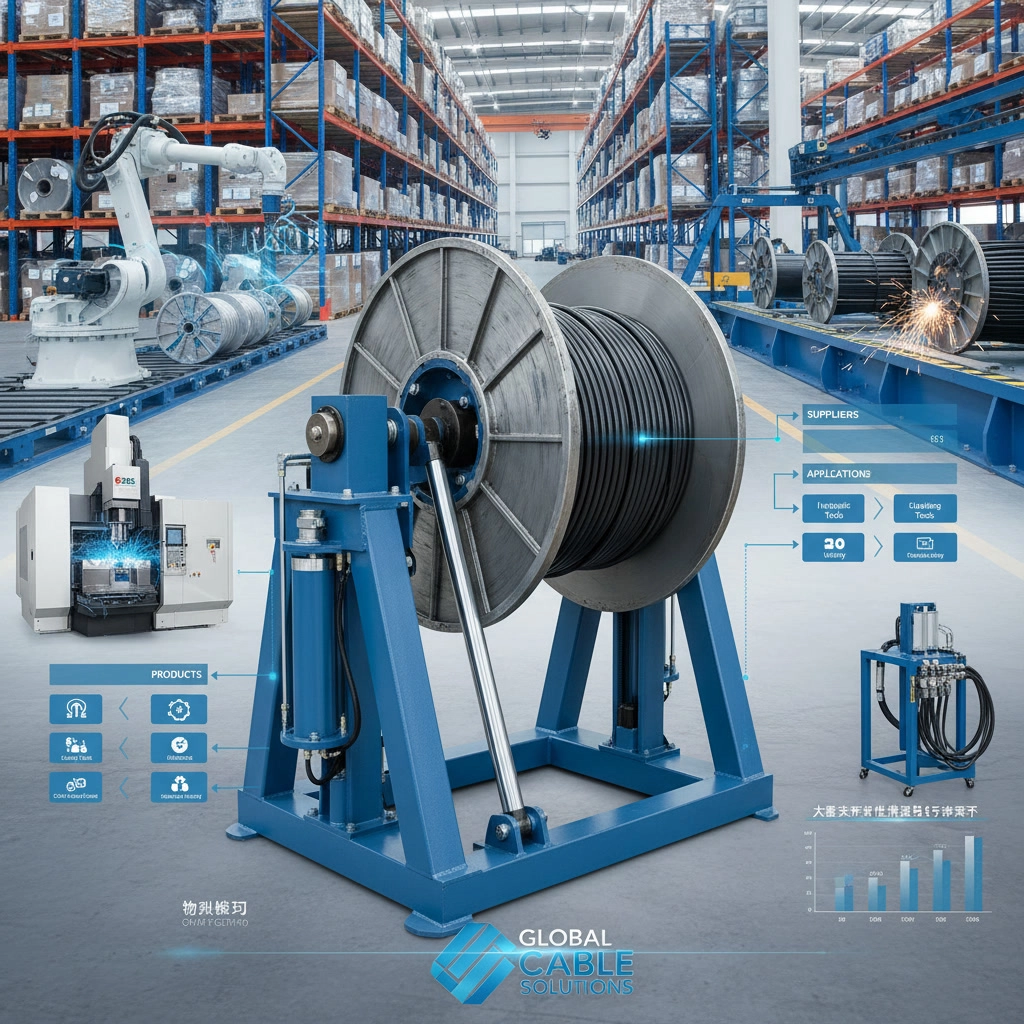
Figure 2. Configuration Efficiency Index
Application Scenarios in Utility Construction
In a typical industrial setting, such as a substation expansion, the use of synchronized drum jacks is common to lift heavy reels into place. Once positioned, the reel is transferred to a dedicated stand to ensure a smooth payout. This process requires high precision to avoid stressing the cable.
For specialized tasks like terminal crimping, the focus shifts to precision tools. For instance, BILO's Hydraulic Crimping Pliers (EZ-300/400) are often used in tandem with cable laying equipment to secure connections. These tools feature a 330-degree rotating head and dual-speed mechanisms to handle crimping ranges from 16mm² up to 400mm², ensuring that the physical layout provided by the stands is finalized with secure, professional connections.
Evolution of Cable Deployment Technology
The industry is moving toward integrated "ecosystems" of tools. Instead of purchasing isolated components, firms are now seeking holistic solutions that combine duct rodders, cable rollers, and drum stands from a single manufacturer to ensure compatibility.
Automation is also making an entry. While the stands themselves remain mechanical, the integration of tension-monitoring sensors allows operators to adjust pulling speeds in real-time, preventing over-tensioning of the cable as it leaves the drum.
Environmental sustainability is driving a shift toward more durable, long-life materials that reduce the need for frequent replacement. Powder-coated finishes and corrosion-resistant alloys are becoming standard for equipment used in coastal or humid environments.
Supplier Evaluation and Selection Framework
Selecting from various cable drum stand suppliers requires a rigorous evaluation of their manufacturing capabilities. A supplier's ability to provide customized production is often a deciding factor for projects with non-standard reel sizes.
Beyond the product, the quality of the technical support and the speed of delivery are critical. In the utility sector, a delay in equipment arrival can result in significant contractual penalties.
The following table provides a comparison framework for evaluating different tiers of support equipment based on operational priorities.
| Requirement | Portable Stands | Heavy-Duty Jacks | Modular Systems | Custom Fabrication |
|---|---|---|---|---|
| Max Load Capacity | Low to Medium | High | Medium to High | Ultra High |
| Setup Speed | Very Fast | Moderate | Fast | Slow |
| Terrain Adaptability | High | Low | Medium | Project Specific |
| Versatility | Low | Medium | Very High | Low |
| Initial Cost | Low | Medium | Medium | High |
| Maintenance Need | Minimal | Moderate | Low | Variable |
Questions & Answers
A cable drum jack is primarily used to lift a reel from the ground to a height where it can be positioned or transferred. A cable drum stand, however, is designed to support the reel throughout the entire payout process, providing the rotational axis and stability needed to pull the cable without the reel shifting or tipping over.
Calculate the total weight of the cable plus the weight of the wooden or steel reel itself. It is recommended to choose a stand with a Safe Working Load (SWL) that is at least 20-30% higher than the total weight to account for dynamic forces and potential imbalances during rotation.
It depends on the cable weight. High-voltage cables are typically much heavier and require larger reels. While some high-capacity portable stands exist, ultra-heavy reels usually require fixed heavy-duty stands or hydraulic systems to ensure safety and prevent structural failure under extreme loads.
For coastal or industrial areas, stands should be made from galvanized steel or high-grade alloys with a professional powder-coated finish. These treatments prevent oxidation and rust, which can compromise the structural integrity of the axle and support legs over time.
Axle adjustability allows a single set of stands to accommodate different reel widths. This eliminates the need to transport multiple types of equipment to a job site, reducing shipping costs and setup time, while ensuring that every reel is properly centered for a smooth payout.
Check that the base plates are resting on firm, level ground. Verify that all locking pins are fully engaged and that the axle is free of debris. Finally, ensure the reel is centered on the axle to prevent eccentric loading, which could cause the stand to tip during rotation.
Final Thoughts
The efficiency of any cable installation project is fundamentally tied to the quality of the support equipment used. By prioritizing structural stability, material grade, and precise load distribution, operators can significantly reduce the risk of cable damage and workplace accidents.
As the industry evolves toward more integrated and automated solutions, the role of cable drum stand suppliers will shift toward providing comprehensive toolsets that ensure seamless deployment from the reel to the final crimped connection.
Τελευταία νέα
Professional Guide to Cable Installation with Ethernet Fish Tape
ΝέαJul.01,2026
Professional Cable Installation Guide Using a Fish Tape
ΝέαJun.29,2026
Professional Cable Installation Guide with 30m fish tape
ΝέαJun.27,2026
Mastering Cable Installation with the 1 2 fish tape Guide
ΝέαJun.26,2026
Ultimate Guide to Using 3 8 Fish Tape for Electrical Wiring
ΝέαJun.25,2026
Best Electric Hoists for Sale A Complete Industrial Buyers Guide
ΝέαJun.23,2026
- ΕΠΙΚΟΙΝΩΝΙΑ
- ADDRESS: 188, Fengshou Road, Shijiazhuang. China
- ΗΛΕΚΤΡΟΝΙΚΗ ΔΙΕΥΘΥΝΣΗ: info@bilopowtel.com
- ΤΗΛΕΦΩΝΟ: 0086-311-88862036
- WHATSAPP: 0086-152-26563165





