



-
 Afrikaans
-
 Albanian
-
 Amharic
-
 Arabic
-
 Armenian
-
 Azerbaijani
-
 Basque
-
 Belarusian
-
 Bengali
-
 Bosnian
-
 Bulgarian
-
 Catalan
-
 Cebuano
-
 Corsican
-
 Croatian
-
 Czech
-
 Danish
-
 Dutch
-
 English
-
 Esperanto
-
 Estonian
-
 Finnish
-
 French
-
 Frisian
-
 Galician
-
 Georgian
-
 German
-
 Greek
-
 Gujarati
-
 Haitian Creole
-
 hausa
-
 hawaiian
-
 Hebrew
-
 Hindi
-
 Miao
-
 Hungarian
-
 Icelandic
-
 igbo
-
 Indonesian
-
 irish
-
 Italian
-
 Japanese
-
 Javanese
-
 Kannada
-
 kazakh
-
 Khmer
-
 Rwandese
-
 Korean
-
 Kurdish
-
 Kyrgyz
-
 Lao
-
 Latin
-
 Latvian
-
 Lithuanian
-
 Luxembourgish
-
 Macedonian
-
 Malgashi
-
 Malay
-
 Malayalam
-
 Maltese
-
 Maori
-
 Marathi
-
 Mongolian
-
 Myanmar
-
 Nepali
-
 Norwegian
-
 Norwegian
-
 Occitan
-
 Pashto
-
 Persian
-
 Polish
-
 Portuguese
-
 Punjabi
-
 Romanian
-
 Russian
-
 Samoan
-
 Scottish Gaelic
-
 Serbian
-
 Sesotho
-
 Shona
-
 Sindhi
-
 Sinhala
-
 Slovak
-
 Slovenian
-
 Somali
-
 Spanish
-
 Sundanese
-
 Swahili
-
 Swedish
-
 Tagalog
-
 Tajik
-
 Tamil
-
 Tatar
-
 Telugu
-
 Thai
-
 Turkish
-
 Turkmen
-
 Ukrainian
-
 Urdu
-
 Uighur
-
 Uzbek
-
 Vietnamese
-
 Welsh
-
 Bantu
-
 Yiddish
-
 Yoruba
-
 Zulu



Jun . 11, 2026 03:30 Zurück zur Liste
Maximizing Industrial Efficiency with the Right Hand Hoist
Maximizing Efficiency with the Right Hand Hoist: A Complete Guide
In the demanding world of industrial lifting, precision and reliability are non-negotiable. A high-quality hand hoist serves as the backbone for countless workshops, construction sites, and warehouses, allowing operators to lift heavy loads with minimal physical exertion. Whether you are performing routine maintenance or installing heavy machinery, choosing the correct lifting tool ensures both operational efficiency and workplace safety. In this guide, we will explore the nuances of hand hoists, from their mechanical advantages to the critical factors you must consider before purchasing, helping you make an informed decision for your business.
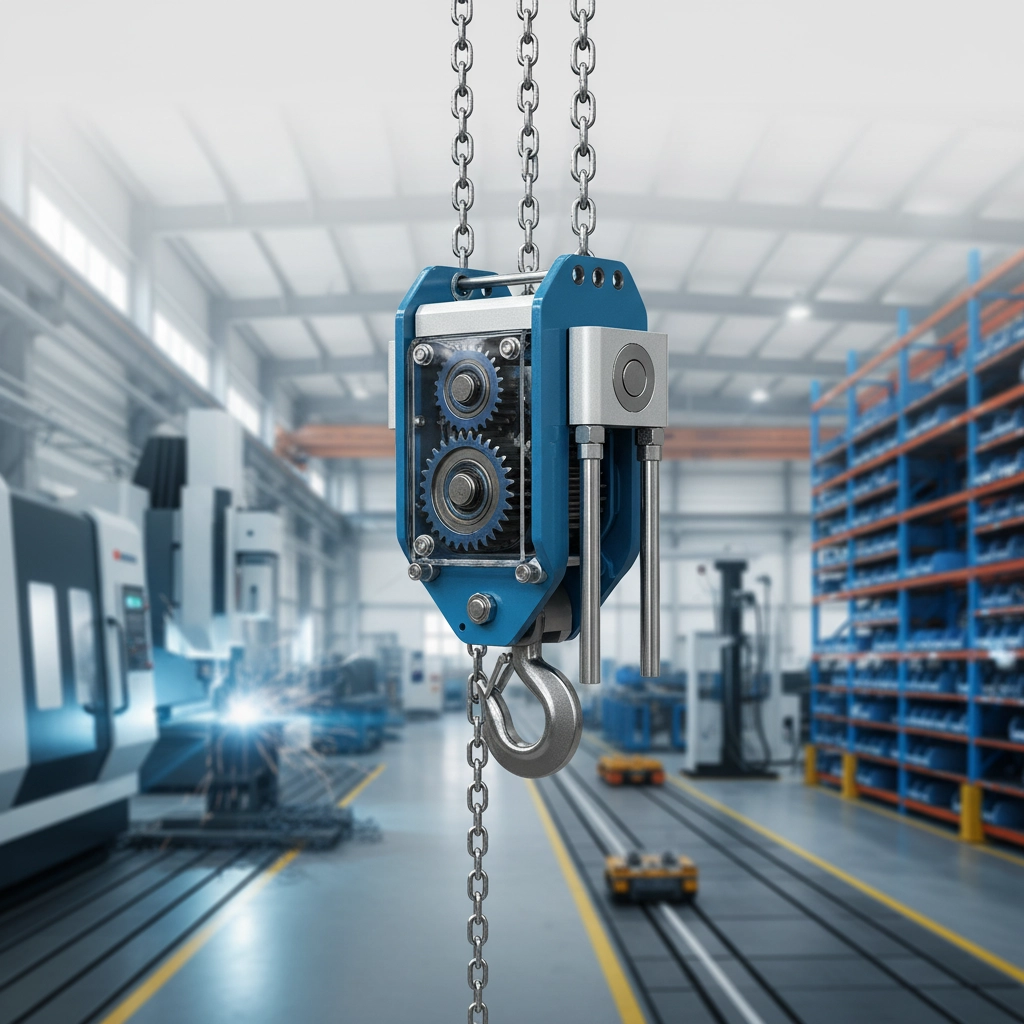
How a Hand Hoist Works: The Mechanics of Lifting
At its core, a hand hoist utilizes a system of gears and pulleys to create a mechanical advantage. This allows a single operator to lift loads that would be impossible to move manually. By applying a relatively small amount of force to the pull chain, the internal gearing multiplies the effort, translating it into a powerful vertical lift. Most modern units feature a high-strength braking system that automatically locks the load in place, preventing accidental slips. This makes them indispensable in environments where electricity is unavailable or where a compact, portable lifting solution is required.
Professional Tip: Always ensure the hoist is centered directly over the load to avoid "side-loading," which can cause structural stress and reduce the overall lifespan of the equipment.
Comparing Types of Hand Hoist Systems
Not all lifting needs are the same, which is why different styles of hoists exist. The two most common types are the chain hoist and the lever hoist. Chain hoists are generally used for vertical lifting where height is the primary concern, while lever hoists are prized for their versatility in pulling, tensioning, and lifting in tight spaces. Selecting the wrong type can lead to inefficiency or safety hazards. By comparing the specific mechanical properties of each, you can optimize your workflow and ensure that your team is using the most effective tool for the job.
Essential Safety Standards for Hand Hoist Operation
Safety is the most critical aspect of using any hand hoist. Before any lift, it is imperative to verify the Working Load Limit (WLL); exceeding this capacity can lead to catastrophic equipment failure. Operators should perform a visual inspection of the load chain for signs of wear, stretching, or corrosion. Additionally, ensuring that the hook latches are fully functional prevents the load from slipping during transit. Following these standardized safety protocols not only protects the workforce but also extends the operational life of the machinery by preventing undue stress on the internal gears.
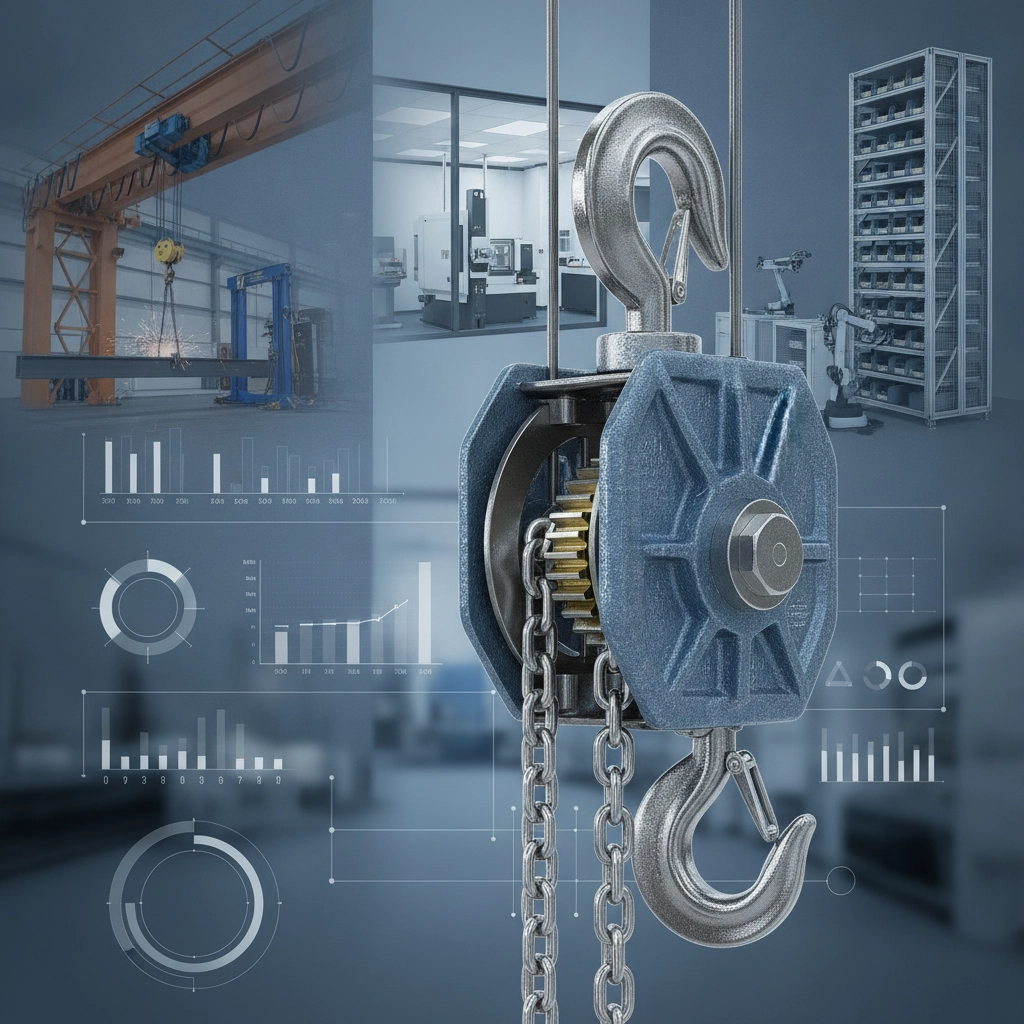
Optimal Applications of the Hand Hoist in Industry
The versatility of the hand hoist makes it a staple across various sectors. In the automotive industry, they are used for engine removal and transmission swaps. In construction, they facilitate the positioning of steel beams and HVAC units in areas where cranes cannot reach. Furthermore, in marine environments, these hoists are used for moving heavy anchors or repairing ship hulls. The ability to operate without an external power source makes them the ideal choice for remote field sites or emergency repair scenarios where agility and independence are key.
Technical Specifications and Capacity Chart
When selecting a unit, you must match the technical specifications to your specific workload. Factors such as the grade of the alloy steel used in the chain and the precision of the gear machining determine the hoist's durability. High-grade hoists typically feature an automatic lubricated system and a reinforced housing to withstand harsh industrial environments. To help you choose the right model, we have outlined the standard specifications for our most popular ranges below:
Conclusion: Elevating Your Operations with Quality
Investing in a professional hand hoist is more than just a purchase; it is a commitment to efficiency and worker safety. By understanding the mechanical differences between chain and lever systems and adhering strictly to load limits and maintenance schedules, businesses can significantly reduce downtime and risk. For those seeking durable, high-performance lifting solutions, choosing a trusted manufacturer is the first step toward a safer, more productive workspace. Don't let heavy lifting slow your progress—empower your team with the right tools today.
Frequently Asked Questions (FAQs)
How often should a hand hoist be inspected?
A hand hoist should undergo a visual inspection before every single use. This includes checking the load chain for twists, nicks, or corrosion, and ensuring the hook safety latch is secure. In addition to these daily checks, a comprehensive professional inspection should be conducted every 6 to 12 months, depending on the frequency of use and the harshness of the environment. Regular lubrication of the chain and internal gears is also recommended to prevent friction wear and ensure smooth operation.
Can I use a lever hoist for permanent lifting?
Generally, lever hoists are designed for short-term lifting, pulling, and positioning rather than long-term suspension. While they feature secure braking systems, using them as permanent supports can lead to premature wear on the clutch and gears. For long-term vertical lifting or suspension, a chain hoist or a dedicated fixed crane system is more appropriate. Always refer to the manufacturer's specifications to determine the intended duty cycle of your specific model.
What does the "Grade 80" chain mean in hand hoists?
Grade 80 (G80) refers to the alloy steel quality used in the chain. It is the industry standard for overhead lifting because it provides a high strength-to-weight ratio and is specifically heat-treated to withstand the stresses of lifting heavy loads. Using a non-rated or lower-grade chain in a hand hoist is extremely dangerous and can lead to chain failure. Always ensure your replacement chains are G80 rated or higher to maintain safety certifications.
What should I do if the hoist becomes difficult to operate?
If you notice increased resistance or a "grinding" feel when pulling the chain or lever, stop operation immediately. This is often a sign of insufficient lubrication, a twisted load chain, or internal gear wear. First, check the chain for any obstructions or kinks. If the chain is clear, apply a manufacturer-approved lubricant to the chain and load-bearing points. If the problem persists, the unit should be taken out of service and inspected by a qualified technician to prevent a total mechanical failure during a lift.
Neueste Nachrichten
Professional Guide to Cable Installation with Ethernet Fish Tape
NachrichtJul.01,2026
Professional Cable Installation Guide Using a Fish Tape
NachrichtJun.29,2026
Professional Cable Installation Guide with 30m fish tape
NachrichtJun.27,2026
Mastering Cable Installation with the 1 2 fish tape Guide
NachrichtJun.26,2026
Ultimate Guide to Using 3 8 Fish Tape for Electrical Wiring
NachrichtJun.25,2026
Best Electric Hoists for Sale A Complete Industrial Buyers Guide
NachrichtJun.23,2026
- KONTAKT
- ADRESSE: 188, Fengshou Road, Shijiazhuang. China
- EMAIL: info@bilopowtel.com
- TELEFON: 0086-311-88862036
- WHATSAPP: 0086-152-26563165





