-
 Afrikaans
-
 Albanian
-
 Amharic
-
 Arabic
-
 Armenian
-
 Azerbaijani
-
 Basque
-
 Belarusian
-
 Bengali
-
 Bosnian
-
 Bulgarian
-
 Catalan
-
 Cebuano
-
 Corsican
-
 Croatian
-
 Czech
-
 Danish
-
 Dutch
-
 English
-
 Esperanto
-
 Estonian
-
 Finnish
-
 French
-
 Frisian
-
 Galician
-
 Georgian
-
 German
-
 Greek
-
 Gujarati
-
 Haitian Creole
-
 hausa
-
 hawaiian
-
 Hebrew
-
 Hindi
-
 Miao
-
 Hungarian
-
 Icelandic
-
 igbo
-
 Indonesian
-
 irish
-
 Italian
-
 Japanese
-
 Javanese
-
 Kannada
-
 kazakh
-
 Khmer
-
 Rwandese
-
 Korean
-
 Kurdish
-
 Kyrgyz
-
 Lao
-
 Latin
-
 Latvian
-
 Lithuanian
-
 Luxembourgish
-
 Macedonian
-
 Malgashi
-
 Malay
-
 Malayalam
-
 Maltese
-
 Maori
-
 Marathi
-
 Mongolian
-
 Myanmar
-
 Nepali
-
 Norwegian
-
 Norwegian
-
 Occitan
-
 Pashto
-
 Persian
-
 Polish
-
 Portuguese
-
 Punjabi
-
 Romanian
-
 Russian
-
 Samoan
-
 Scottish Gaelic
-
 Serbian
-
 Sesotho
-
 Shona
-
 Sindhi
-
 Sinhala
-
 Slovak
-
 Slovenian
-
 Somali
-
 Spanish
-
 Sundanese
-
 Swahili
-
 Swedish
-
 Tagalog
-
 Tajik
-
 Tamil
-
 Tatar
-
 Telugu
-
 Thai
-
 Turkish
-
 Turkmen
-
 Ukrainian
-
 Urdu
-
 Uighur
-
 Uzbek
-
 Vietnamese
-
 Welsh
-
 Bantu
-
 Yiddish
-
 Yoruba
-
 Zulu



Jun . 23, 2026 03:05 Tornar a la llista
Industrial Guide to High Quality 2 ton electric chain hoist for sale
Finding the Best 2 Ton Electric Chain Hoist for Sale: A Buyer's Guide
When managing heavy-duty lifting in a warehouse, factory, or construction site, efficiency and safety are non-negotiable. Searching for a 2 ton electric chain hoist for sale requires a deep understanding of load capacities, lifting speeds, and durability standards. A high-quality 2-ton hoist not only simplifies the movement of heavy machinery and materials but also drastically reduces the risk of workplace injuries. In this guide, we will explore the critical features you should look for, compare different models, and help you make an informed investment for your industrial operations.
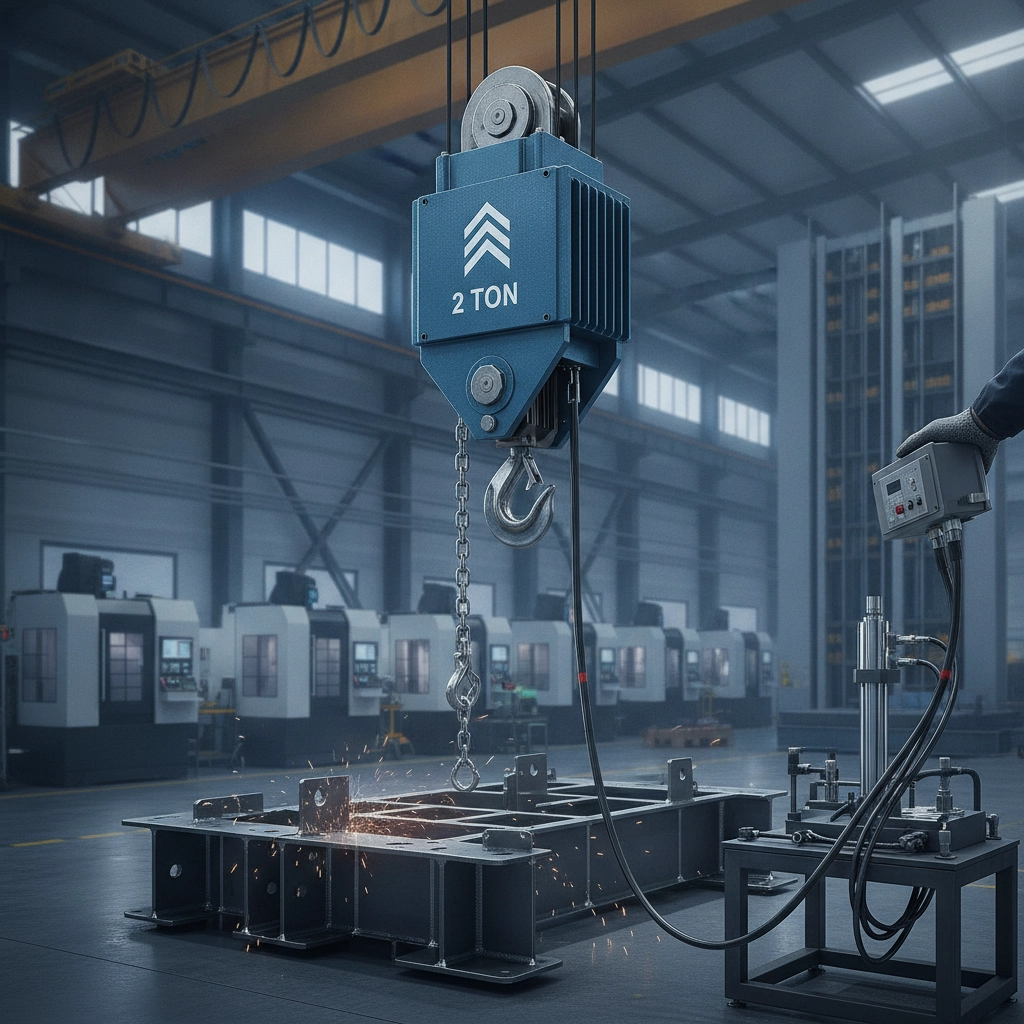
Core Advantages of Using a 2 Ton Electric Chain Hoist
The primary appeal of a 2-ton capacity hoist is its versatility. It fills the gap between light-duty residential lifts and massive industrial cranes. By opting for an electric system over a manual one, operators can achieve precise positioning i faster cycle times. Modern electric hoists are equipped with advanced braking systems and limit switches that prevent overloading and over-travel, ensuring that every lift is controlled. When you browse a 2 ton electric chain hoist for sale, you are essentially investing in labor cost reduction and operational safety.
Efficiency Boost: Electric hoists eliminate the physical strain on workers, allowing for continuous operation without fatigue, which directly increases the daily throughput of your facility.
Key Technical Specifications for 2 Ton Hoists
Not all hoists are created equal. To ensure you choose the right equipment, you must analyze the technical specifications. Parameters such as lifting height, lifting speed, and duty cycle (the amount of time the hoist can operate before needing a cool-down) are critical. For those looking for a 2 ton electric chain hoist for sale, understanding these numbers prevents under-speccing your equipment, which could lead to premature wear or dangerous failures.
Comparing Electric Hoists vs. Manual Chain Hoists
While manual hoists are cheaper upfront, the long-term operational costs are higher due to the time required for each lift. When searching for a 2 ton electric chain hoist for sale, you are choosing automation over muscle. Electric hoists provide a consistent lifting speed and are far safer for the operator, as they remove the need to manually pull heavy chains. For any business processing more than a few lifts per day, the transition to electric is the only logical step to remain competitive.
Why Choose Electric?
• Reduced Labor: One operator can do the work of three.
• Precision: Electric controls allow for millimeter-accurate placement.
• Safety: Integrated emergency stop buttons and load limits.
• Scalability: Easier to integrate into overhead crane systems.
Installation and Maintenance of your 2 Ton Electric Chain Hoist
Owning a high-performance hoist is only half the battle; proper installation and maintenance are what ensure its longevity. Ensure that the mounting beam is rated for the 2-ton load plus the weight of the hoist itself. Regular lubrication of the chain and inspection of the hook for deformation are mandatory. When you purchase a 2 ton electric chain hoist for sale, always check the manufacturer's maintenance schedule to avoid costly downtime.
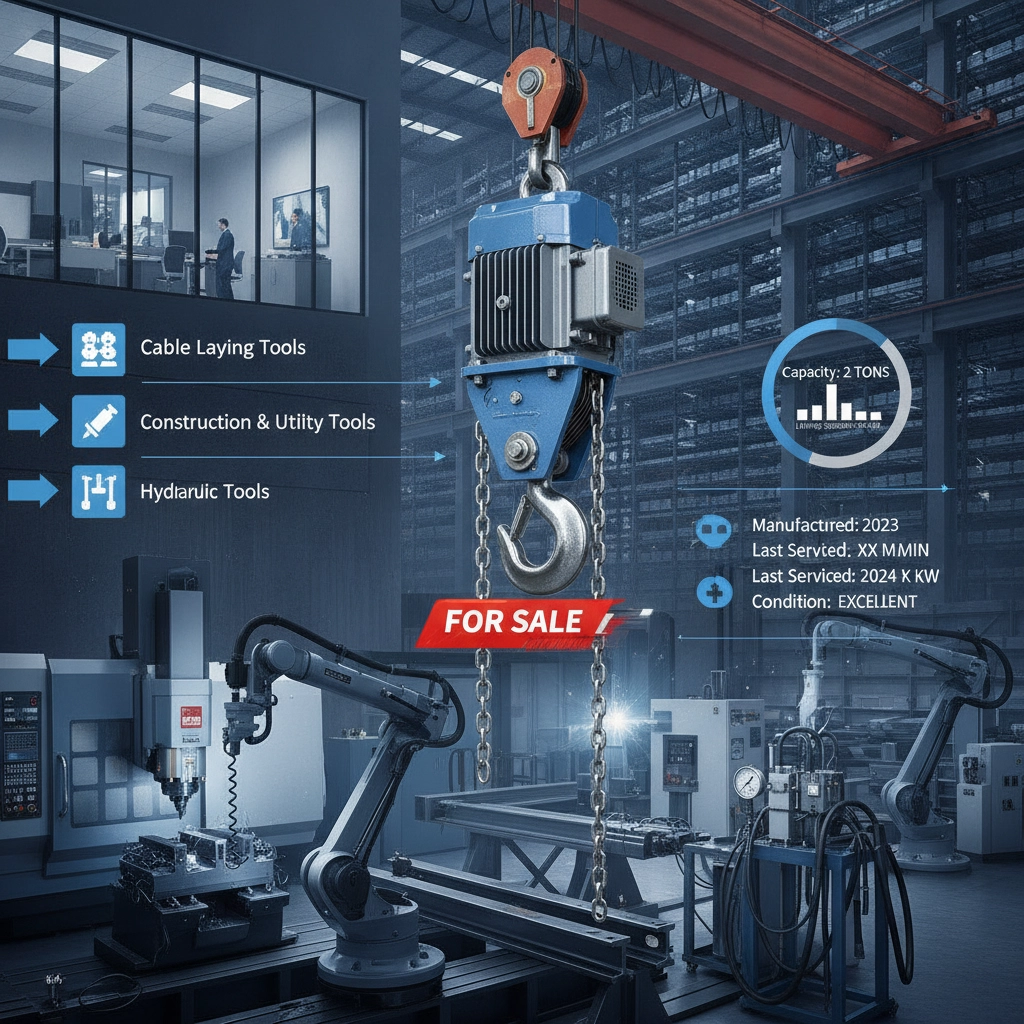
Industrial Applications for 2 Ton Lifting Solutions
The 2-ton capacity is the "sweet spot" for many industries. In automotive shops, it is used for engine swaps and chassis lifting. In metallurgy, it handles heavy molds and castings. Even in the shipping industry, these hoists are used for loading and unloading crates. The flexibility of a 2 ton electric chain hoist for sale means it can be mounted on a fixed point or a mobile trolley, providing a comprehensive material handling solution across the factory floor.
Safety Standards and Certification Requirements
Safety is the most critical aspect of industrial lifting. Every hoist should comply with international standards such as ASME or CE. Look for features like mechanical overload protection, which prevents the hoist from lifting a load that exceeds 2 tons. Additionally, ensure the chain is certified for the specified load. When evaluating a 2 ton electric chain hoist for sale, ask for the test certificates to guarantee that the product has undergone rigorous load testing before leaving the factory.
Conclusion: Elevating Your Business with the Right Hoist
Escollir el correcte 2 ton electric chain hoist for sale is an investment in your company's growth and safety. By prioritizing technical specifications, adhering to safety standards, and maintaining the equipment properly, you can ensure a seamless workflow and a safer environment for your employees. Whether you are upgrading an old system or equipping a new facility, the efficiency of an electric hoist is unmatched in the 2-ton category.
Frequently Asked Questions (FAQs)
How do I choose the right lifting height for my 2 ton hoist?
Choosing the lifting height depends entirely on your facility's ceiling height and the distance the load needs to travel. Measure the distance from the lowest point of your mounting beam to the lowest point where the load will be placed. It is always recommended to add a small margin of safety (about 0.5 to 1 meter) to ensure the chain does not fully run out, which could trigger the limit switch prematurely or cause stress on the equipment. Most 2 ton electric hoists come with standard lengths, but custom chain lengths are often available from professional suppliers.
What is the difference between single-speed and dual-speed hoists?
A single-speed hoist operates at one constant speed, which is ideal for simple, repetitive lifting tasks where precision isn't the top priority. A dual-speed hoist, however, offers two different speeds: a fast speed for moving the load quickly over long distances and a slow "inching" speed for precise placement of the load. For operations involving delicate machinery or tight spaces, a dual-speed 2 ton electric hoist is highly recommended as it provides significantly better control and safety during the final stage of the lift.
How often should I inspect my electric chain hoist?
Industrial lifting equipment should undergo a three-tier inspection process. First, a pre-use inspection should be done by the operator daily, checking for visible chain wear or unusual noises. Second, a monthly detailed inspection should be performed by a maintenance technician to check lubrication and electrical connections. Finally, a comprehensive annual certification by a third-party professional is required to ensure the hoist still meets safety standards and is capable of lifting its full 2-ton capacity without risk. Regular maintenance prevents catastrophic failure and extends the life of your investment.
Últimes notícies
Professional Guide to Cable Installation with Ethernet Fish Tape
NotíciesJul.01,2026
Professional Cable Installation Guide Using a Fish Tape
NotíciesJun.29,2026
Professional Cable Installation Guide with 30m fish tape
NotíciesJun.27,2026
Mastering Cable Installation with the 1 2 fish tape Guide
NotíciesJun.26,2026
Ultimate Guide to Using 3 8 Fish Tape for Electrical Wiring
NotíciesJun.25,2026
Best Electric Hoists for Sale A Complete Industrial Buyers Guide
NotíciesJun.23,2026
- CONTACTE
- ADDRESS: 188, Fengshou Road, Shijiazhuang. China
- CORREU ELECTRÒNIC: info@bilopowtel.com
- TELÈFON: 0086-311-88862036
- QUÈ TAL: 0086-152-26563165