-
 Afrikaans
-
 Albanian
-
 Amharic
-
 Arabic
-
 Armenian
-
 Azerbaijani
-
 Basque
-
 Belarusian
-
 Bengali
-
 Bosnian
-
 Bulgarian
-
 Catalan
-
 Cebuano
-
 Corsican
-
 Croatian
-
 Czech
-
 Danish
-
 Dutch
-
 English
-
 Esperanto
-
 Estonian
-
 Finnish
-
 French
-
 Frisian
-
 Galician
-
 Georgian
-
 German
-
 Greek
-
 Gujarati
-
 Haitian Creole
-
 hausa
-
 hawaiian
-
 Hebrew
-
 Hindi
-
 Miao
-
 Hungarian
-
 Icelandic
-
 igbo
-
 Indonesian
-
 irish
-
 Italian
-
 Japanese
-
 Javanese
-
 Kannada
-
 kazakh
-
 Khmer
-
 Rwandese
-
 Korean
-
 Kurdish
-
 Kyrgyz
-
 Lao
-
 Latin
-
 Latvian
-
 Lithuanian
-
 Luxembourgish
-
 Macedonian
-
 Malgashi
-
 Malay
-
 Malayalam
-
 Maltese
-
 Maori
-
 Marathi
-
 Mongolian
-
 Myanmar
-
 Nepali
-
 Norwegian
-
 Norwegian
-
 Occitan
-
 Pashto
-
 Persian
-
 Polish
-
 Portuguese
-
 Punjabi
-
 Romanian
-
 Russian
-
 Samoan
-
 Scottish Gaelic
-
 Serbian
-
 Sesotho
-
 Shona
-
 Sindhi
-
 Sinhala
-
 Slovak
-
 Slovenian
-
 Somali
-
 Spanish
-
 Sundanese
-
 Swahili
-
 Swedish
-
 Tagalog
-
 Tajik
-
 Tamil
-
 Tatar
-
 Telugu
-
 Thai
-
 Turkish
-
 Turkmen
-
 Ukrainian
-
 Urdu
-
 Uighur
-
 Uzbek
-
 Vietnamese
-
 Welsh
-
 Bantu
-
 Yiddish
-
 Yoruba
-
 Zulu


Jul . 01, 2026 06:06 Terug na lys
Professional Electric Fish Tape Puller for Efficient Cable Laying
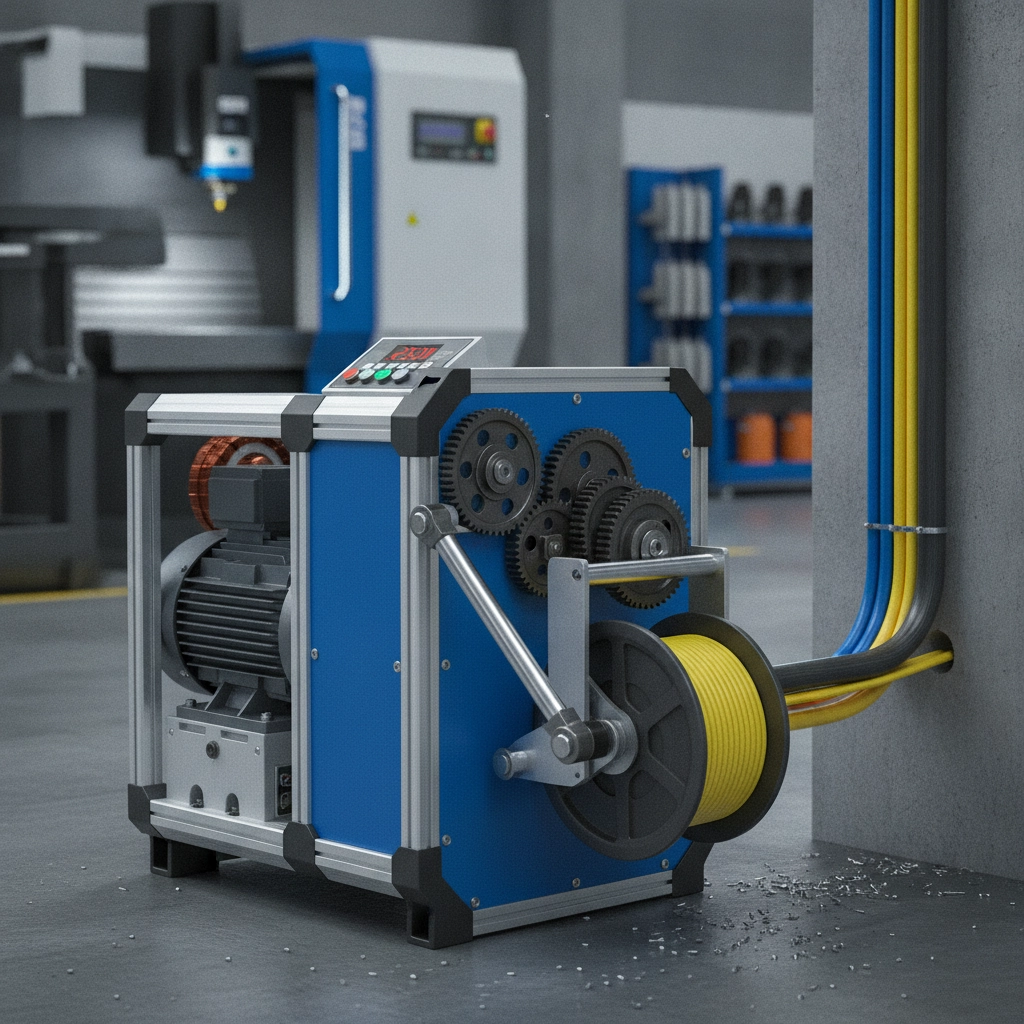
The modern infrastructure landscape demands precision and efficiency, particularly when dealing with heavy-duty access and cable management. An electric fish tape puller represents the evolution of utility tools, shifting from manual labor to mechanized precision to reduce physical strain and increase site productivity. Understanding these tools is essential for contractors seeking to optimize their workflow in challenging urban environments.
Across the globe, the demand for specialized lifting and pulling equipment has surged as telecommunications and power grids expand. The integration of ergonomic design and high-strength materials ensures that technicians can handle heavy concrete and metal plates without compromising safety. This shift toward specialized equipment minimizes downtime and reduces the risk of workplace injuries in the construction sector.
Whether you are managing a large-scale utility project or maintaining municipal sewers, having the right electric fish tape puller or high-performance lifting tool is a game-changer. By leveraging mechanical advantages, these tools allow for the seamless movement of heavy plates and the efficient routing of cables through complex conduits.
The Mechanics of Heavy-Duty Lifting Tools
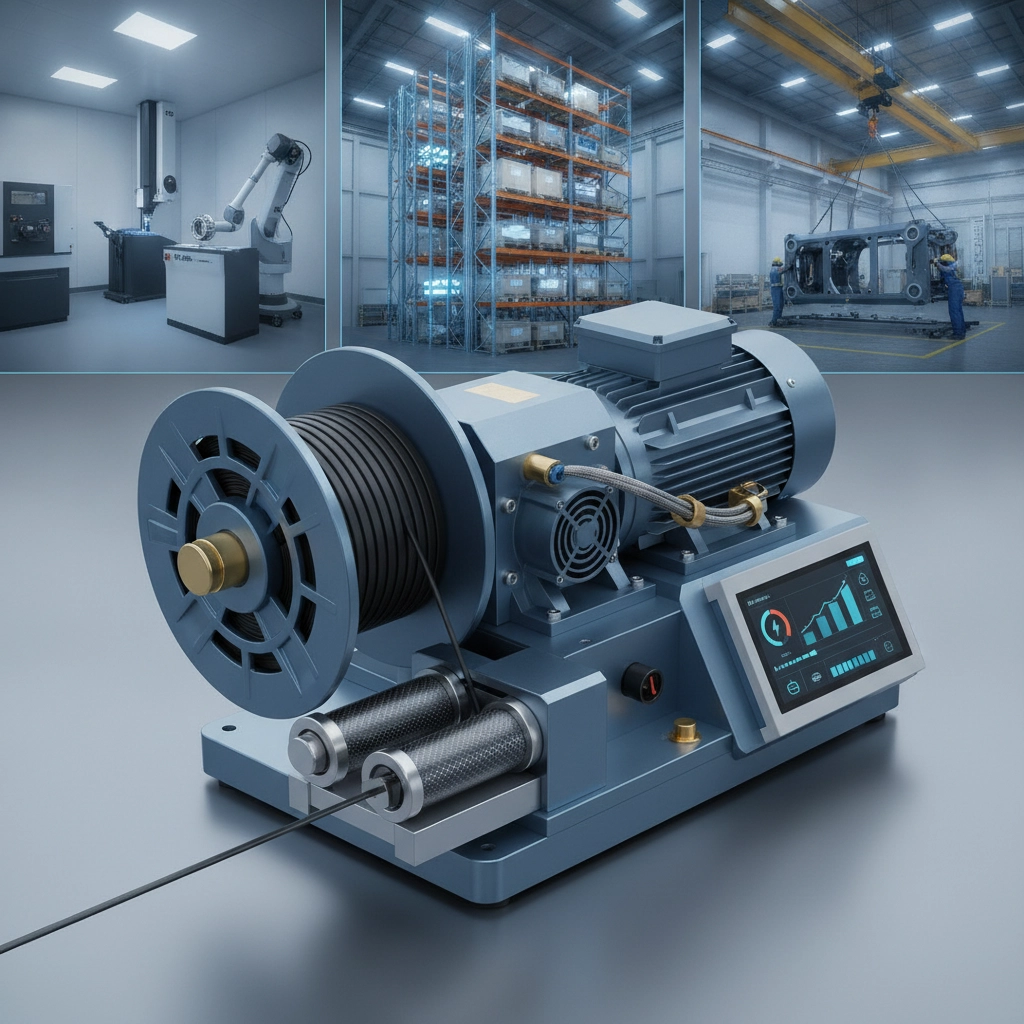
The operational efficiency of tools like the plate hammer and an electric fish tape puller relies on the principle of inertia and mechanical leverage. The plate hammer is specifically designed for lifting and moving metal or concrete plates in telecom rooms, utilizing a specialized "masterclass of inertia" to make heavy loads feel lighter during the lifting and laying process.
Complementing this, the use of interchangeable poly amide shot soles ensures that the tool can be adapted to different surface types without damaging the materials. This combination of weight distribution and high-grip handles allows operators to execute precision movements safely and reliably.
Gereelde vrae
An electric fish tape puller eliminates the physical strain of manual pulling by providing a consistent, motorized force. This not only speeds up the cable installation process but also ensures that the cable is pulled at a steady rate, reducing the risk of kinks or insulation damage that often occur during uneven manual pulls.
Yes, stainless steel hooks are highly versatile due to their strength and resistance to rust. However, the specific tip design (pointed vs. blunt) should be chosen based on the gap size and shape of the manhole cover to maximize leverage and safety during the lifting process.
Regular cleaning to remove corrosive debris and occasional lubrication of moving parts are essential. For motorized tools, ensuring the battery or power source is maintained and checking for wear on the grip textures will keep the tool safe and operational for years.
Yes, the plate hammer is designed for both metal and concrete plates. Its specialized inertia design and poly amide shot sole allow it to grip and move heavy concrete slabs typically found in construction and telecom rooms without causing surface fractures.
Weight limits vary by material. Reinforced manganese steel hooks are designed for heavy concrete covers, often handling several hundred kilograms, while standard stainless steel hooks are optimized for lighter metal covers in residential or commercial settings.
The shift toward electric fish tape pullers is a step toward sustainability by reducing the need for disposable manual aids and decreasing the physical toll on workers. Future models are incorporating recyclable composites and high-efficiency batteries to further reduce their carbon footprint.
Conclusion
In summary, the transition from basic manual tools to advanced equipment like the electric fish tape puller and specialized plate hammers marks a significant leap in utility infrastructure management. By combining high-grade materials like 304 stainless steel with ergonomic T-handle designs and mechanical inertia, these tools solve the dual challenge of operational efficiency and worker safety. The integration of strength, precision, and durability ensures that modern construction projects can be completed with higher quality and lower risk.
Looking forward, the industry will likely embrace further automation and smarter materials, making cable laying and plate management even more seamless. We recommend that firms invest in high-quality, professional-grade tools to ensure long-term sustainability and a safer work environment for their teams. For those looking to upgrade their toolkit with the latest in utility efficiency, visit our website: www.bilopowtel.com
Jongste nuus
Professional Guide to Cable Installation with Ethernet Fish Tape
NuusJul.01,2026
Professional Cable Installation Guide Using a Fish Tape
NuusJun.29,2026
Professional Cable Installation Guide with 30m fish tape
NuusJun.27,2026
Mastering Cable Installation with the 1 2 fish tape Guide
NuusJun.26,2026
Ultimate Guide to Using 3 8 Fish Tape for Electrical Wiring
NuusJun.25,2026
Best Electric Hoists for Sale A Complete Industrial Buyers Guide
NuusJun.23,2026
- KONTAK
- ADRES: 188, Fengshouweg, Shijiazhuang. China
- E-POS: info@bilopowtel.com
- FOON: 0086-311-88862036
- WHATSAPP: 0086-152-26563165