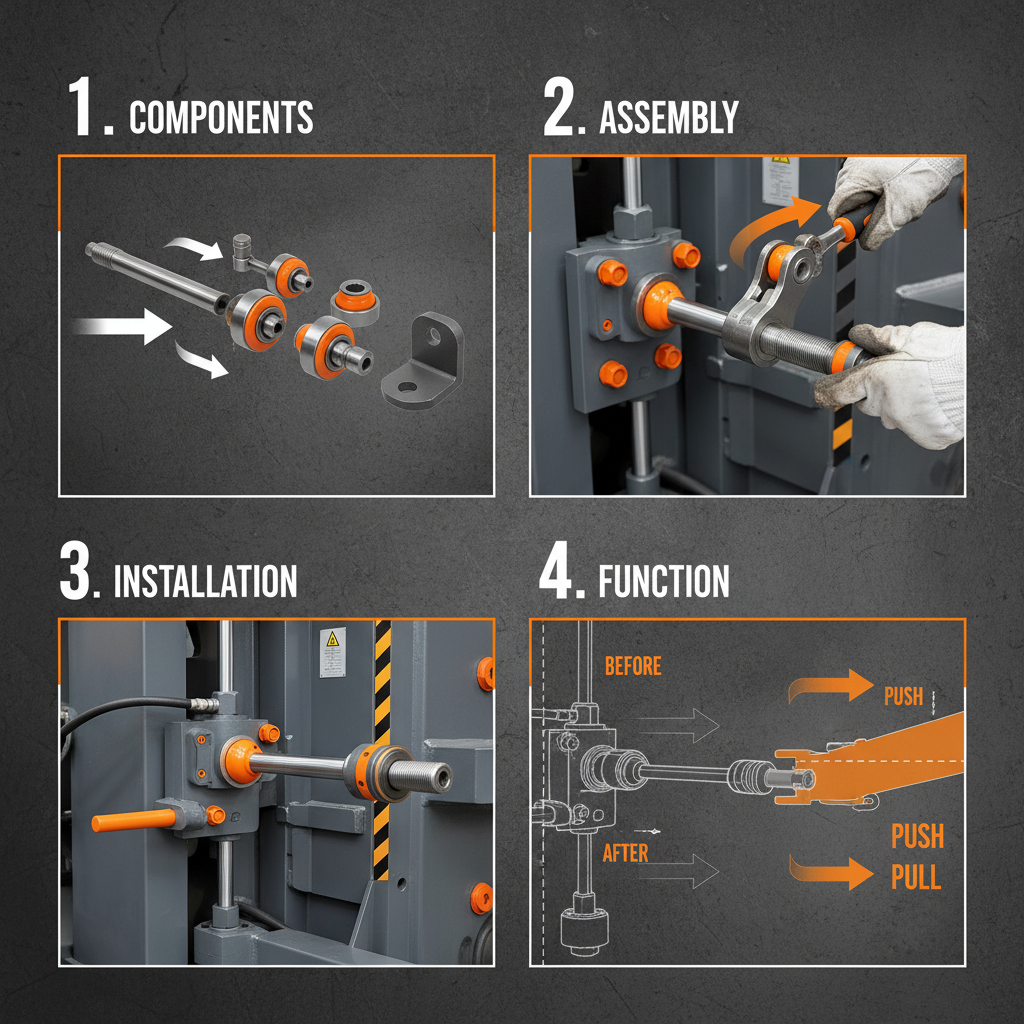
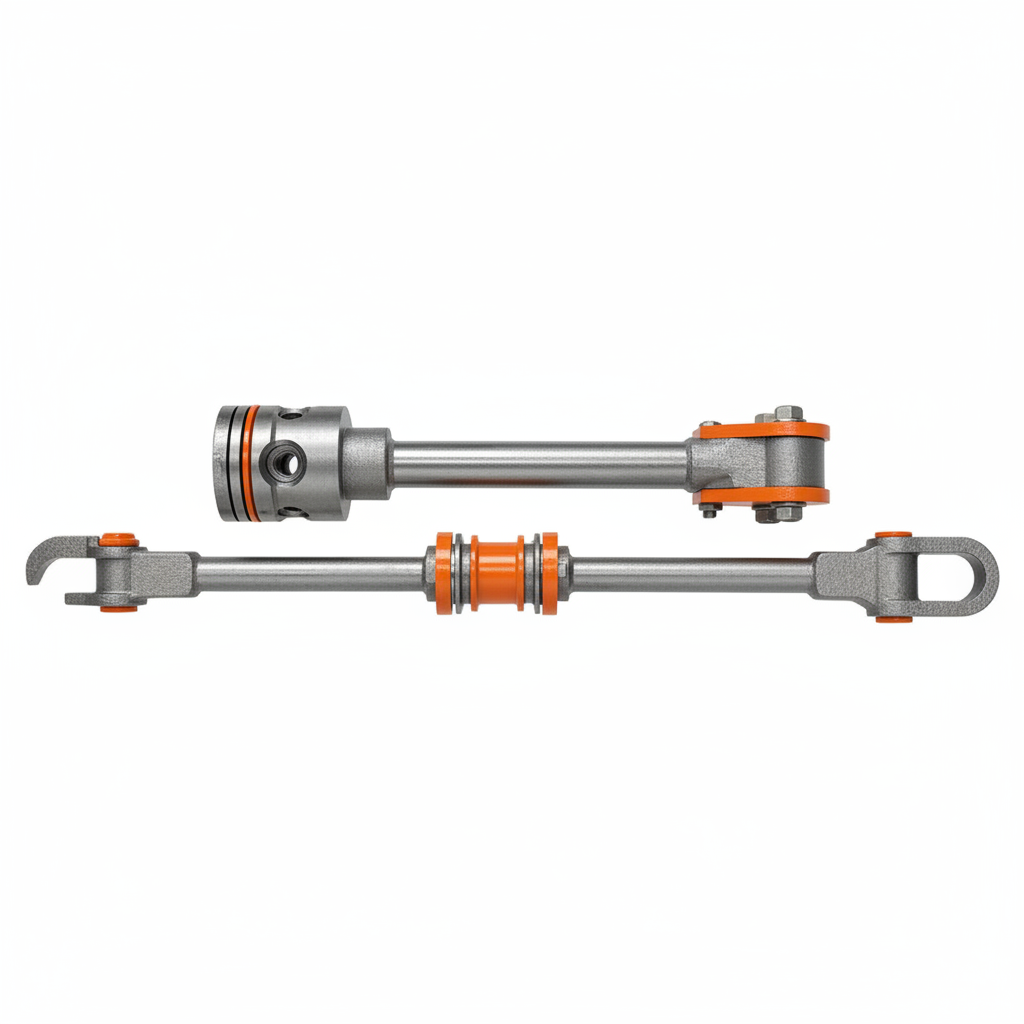
In the demanding world of electrical infrastructure and industrial installation, the precision of cable preparation is paramount. While the process of pulling wires often involves a marked fish tape to navigate conduits, the final stage of installation relies heavily on the quality of the cut. High-performance cable cutters ensure that the integrity of the conductor is maintained, preventing the common pitfalls of crushed wires or uneven ends that can lead to poor connectivity.
Globally, the shift toward high-capacity power grids and advanced telecommunications has increased the demand for specialized tools capable of handling thick copper and aluminium conductors. The industry now demands equipment that balances raw cutting power with ergonomic design, ensuring that technicians can maintain high productivity without compromising safety or precision. This evolution in tooling is critical for maintaining the stability of urban energy networks and industrial automation systems.
Understanding the synergy between cable routing and cable termination is essential for any professional. While a marked fish tape helps in the placement of the wire, the use of forged chrome vanadium steel cutters ensures a clean, smooth finish without deformation. By integrating professional-grade cutting tools into the workflow, contractors can significantly reduce material waste and installation time.
Material Excellence and Tool Durability
The foundation of any industrial-grade cutter lies in its metallurgy. Utilizing high-grade chrome vanadium electric steel, these tools are forged and oil-hardened to ensure maximum hardness and wear resistance. This rigorous manufacturing process prevents the blades from dulling prematurely when cutting through tough multiple stranded cables, ensuring that the user doesn't have to struggle with blunt edges during critical installations.
Beyond the blades, the structural integrity is supported by heavy-duty steel handles. This combination of a forged cutting edge and a robust steel frame creates a tool that can withstand the immense pressure required for large-diameter cuts. While a marked fish tape provides the flexibility needed for routing, these cutters provide the rigid strength necessary for final termination.
Engineering the Perfect Cut: Transmission Ratios
Efficiency in tool design is often measured by the transmission ratio, which determines how much manual force is converted into cutting pressure. By implementing a double lever system, these cutters significantly reduce the effort required by the operator. This ergonomic advantage is crucial when dealing with large capacities up to 500mm², as it prevents operator fatigue and reduces the risk of repetitive strain injuries.
A clean cut is not just about aesthetics; it is about electrical performance. When a cable is crushed during the cutting process, the internal strands can be deformed, altering the cross-sectional area and increasing electrical resistance at the connection point. The double lever mechanism ensures a smooth, perpendicular cut that maintains the cable's original geometry, which is as critical as the precise measurement provided by a marked fish tape.
Furthermore, the replaceable blade design ensures long-term sustainability. Rather than replacing the entire tool when a blade eventually wears down, technicians can swap out the cutting edge. This modular approach reduces waste and ensures that the tool remains an asset in the field for years, regardless of the volume of cables processed.
Precision Application for Cu/Al Conductors
These specialized tools are engineered specifically for copper and aluminium conductors. Because these metals have different hardness and malleability profiles, the forged chrome vanadium steel is calibrated to slice through them without causing the "mushrooming" effect common with inferior tools. Using the right tool after routing with a marked fish tape ensures a professional finish.
It is imperative to note that these cutters are strictly for Cu/Al and communication cables; they are not suitable for steel wire or wire ropes. Attempting to cut hardened steel would compromise the blade's edge and potentially lead to tool failure. The precision engineering focuses on the specific properties of non-ferrous conductors to ensure a deformation-free result.
In communication cable installations, where multiple fine strands are bundled, the smooth cutting action prevents strands from being pulled or frayed. This maintains the signal integrity of the cable, complementing the organizational efficiency achieved during the initial pull with a marked fish tape.
Performance Metrics Across Cable Capacities
To provide a comprehensive overview of tool capability, it is essential to look at how different models handle varying cable sizes. From the LK-125 designed for smaller 125mm² conductors to the heavy-duty LK-500 for 500mm² cables, each tool is optimized for its specific range. This ensures that the operator is not using a tool that is too small for the job, which would result in cable deformation.
The weight of the tool also scales with its capacity, from a manageable 0.7kg for the LK-125 to a robust 2.8kg for the LK-500. This weight distribution is carefully managed to ensure the tool remains balanced in the hand, allowing for precise control during the cut, mirroring the precision one expects from a high-quality marked fish tape.
Efficiency Ratings for Cable Cutting Tool Models
Safety Standards in Metal Tool Manufacturing
Safety in the workplace begins with the tools used. The use of oil-hardened steel ensures that the blades do not chip or shatter under high pressure, which could otherwise pose a significant risk to the technician. By utilizing forged components rather than cast ones, the internal grain structure of the metal is aligned to handle the stresses of heavy-duty cable cutting.
Ergonomics also play a vital role in safety. The leverage provided by the double-handle design prevents the user from having to apply excessive force, which can lead to slips or loss of control. Just as a marked fish tape prevents damage to the conduit interior, a well-engineered cutter prevents physical strain on the operator.
Integration with Modern Installation Workflows
Modern electrical installations follow a strict sequence: routing, pulling, and termination. The integration of a marked fish tape allows for the accurate measurement of wire length and easy navigation through complex conduit paths. Once the wire is successfully pulled, the immediate transition to a professional cable cutter ensures that the timeline of the project remains on track.
In large-scale industrial projects, such as data center builds or power plant upgrades, the volume of cabling is immense. Having a standardized set of cutters (LK-125 through LK-500) ensures that every technician on site is producing the same quality of cut, which is essential for passing rigorous safety inspections and quality audits.
Furthermore, the use of these tools reduces the need for secondary cleanup. Because the cut is smooth and clean, there is no need for filing or sanding the ends of the cables before they are inserted into lugs or connectors. This streamlines the workflow and enhances the overall professional quality of the installation.
Technical Specification Analysis and Selection
Selecting the correct tool requires a clear understanding of the cable specifications. The capacity of the tool—whether it is 125mm², 250mm², or 500mm²—must match the cable's cross-sectional area. Using a tool with insufficient capacity will lead to crushing, whereas using an oversized tool may be unnecessary and cumbersome for the operator.
Weight and portability are also key factors for technicians working in remote areas or high-elevation platforms. The LK-125, at 0.7kg, is ideal for communication cables and smaller power lines, while the LK-500 is reserved for main feeder cables. This tiered approach to tool selection ensures that the right amount of force is applied without adding unnecessary bulk to the toolkit.
Ultimately, the combination of high-grade materials and precise engineering makes these cutters an indispensable part of any electrical kit. When paired with the routing capabilities of a marked fish tape, the professional is equipped to handle any cabling challenge from start to finish.
Comparative Technical Specifications of Cable Cutter Models
| Model Number |
Max Capacity |
Tool Weight |
Recommended Application |
| LK-125 |
125mm² |
0.7kg |
Communication/Small Power |
| LK-250 |
250mm² |
1.2kg |
Medium Industrial Feeders |
| LK-500 |
500mm² |
2.8kg |
Heavy Duty Main Power |
| General Cu |
Various |
Varies |
Copper Conductor Lines |
| General Al |
Various |
Varies |
Aluminium Power Lines |
| Comm-Line |
Low-Mid |
Light |
Data & Communication |
FAQS
No, these tools are specifically designed for copper and aluminium conductors. Using them on steel wire or wire ropes will damage the chrome vanadium steel blades and may cause the tool to fail. For steel, you must use specialized bolt cutters or steel-rated cable cutters.
The double lever system creates a favorable transmission ratio, which significantly multiplies the manual force applied by the user. This makes it much easier to cut thick cables (up to 500mm²) without needing extreme physical effort, reducing fatigue and improving safety.
Using an undersized cutter will likely result in the cable being crushed or deformed rather than sliced. This deformation can compromise the electrical properties of the conductor and make it difficult to fit the cable into connectors or lugs correctly.
Yes, the blades are designed to be replaceable. This ensures that the tool has a long operational lifespan, as the wearing part (the blade) can be swapped out without needing to replace the entire steel handle and lever assembly.
For communication cables, the LK-125 is typically the most suitable choice due to its lighter weight (0.7kg) and capacity for smaller conductors, providing the precision needed for fine stranded wires without adding unnecessary bulk.
Oil-hardening is a heat-treatment process that increases the hardness and toughness of the chrome vanadium steel. This prevents the edges from chipping or dulling quickly, ensuring a smooth and clean cut across thousands of applications.
Conclusion
Achieving professional results in electrical installation requires a holistic approach to tooling, from the initial routing with a marked fish tape to the final precision cut. By utilizing forged chrome vanadium steel cutters with double-lever mechanisms, technicians can ensure that copper and aluminium conductors are terminated without deformation, ensuring maximum electrical efficiency and long-term reliability of the installation.
As industrial infrastructure continues to evolve toward higher capacities and stricter safety standards, investing in high-quality, specialized tools is no longer optional—it is a necessity. We recommend that contractors standardize their toolkits with the LK series to ensure consistency and safety across all project scales. For more professional cable laying and cutting solutions, visit our website: www.bilopowtel.com.