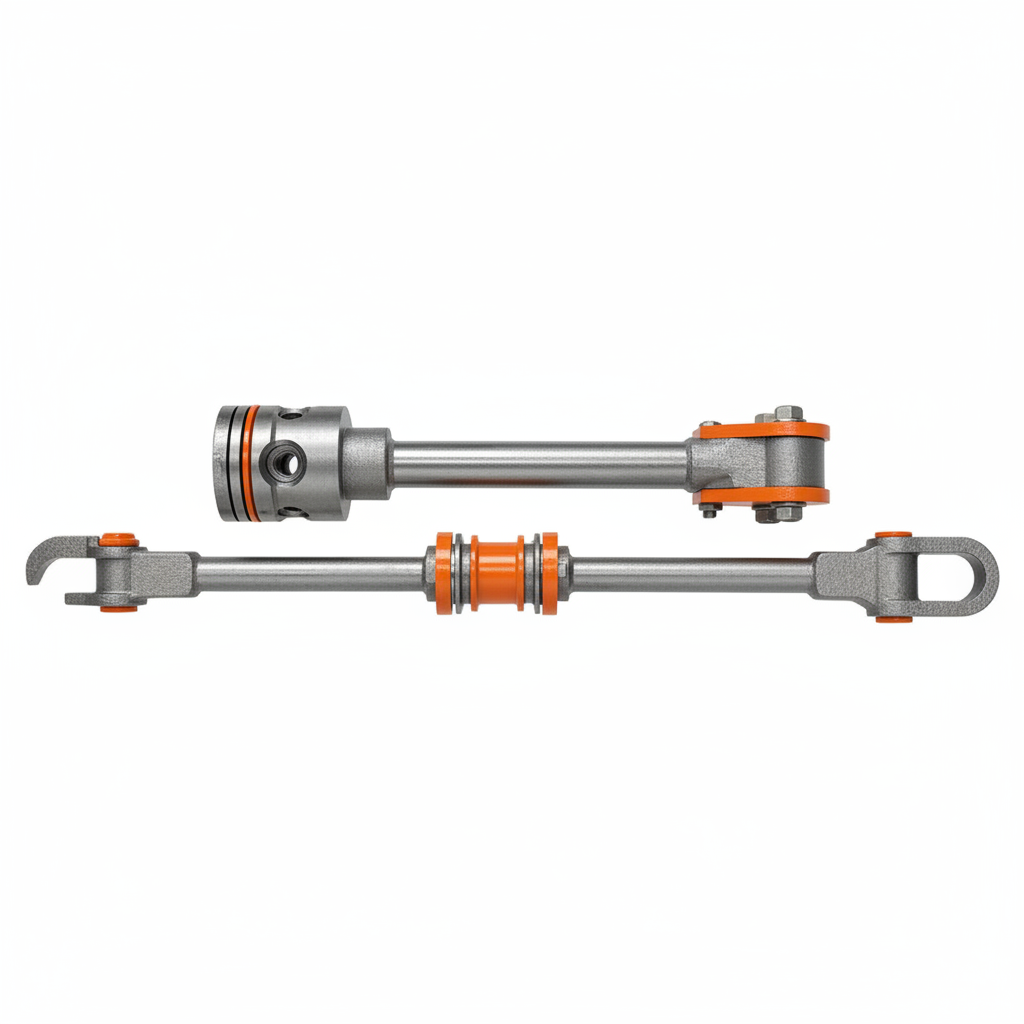
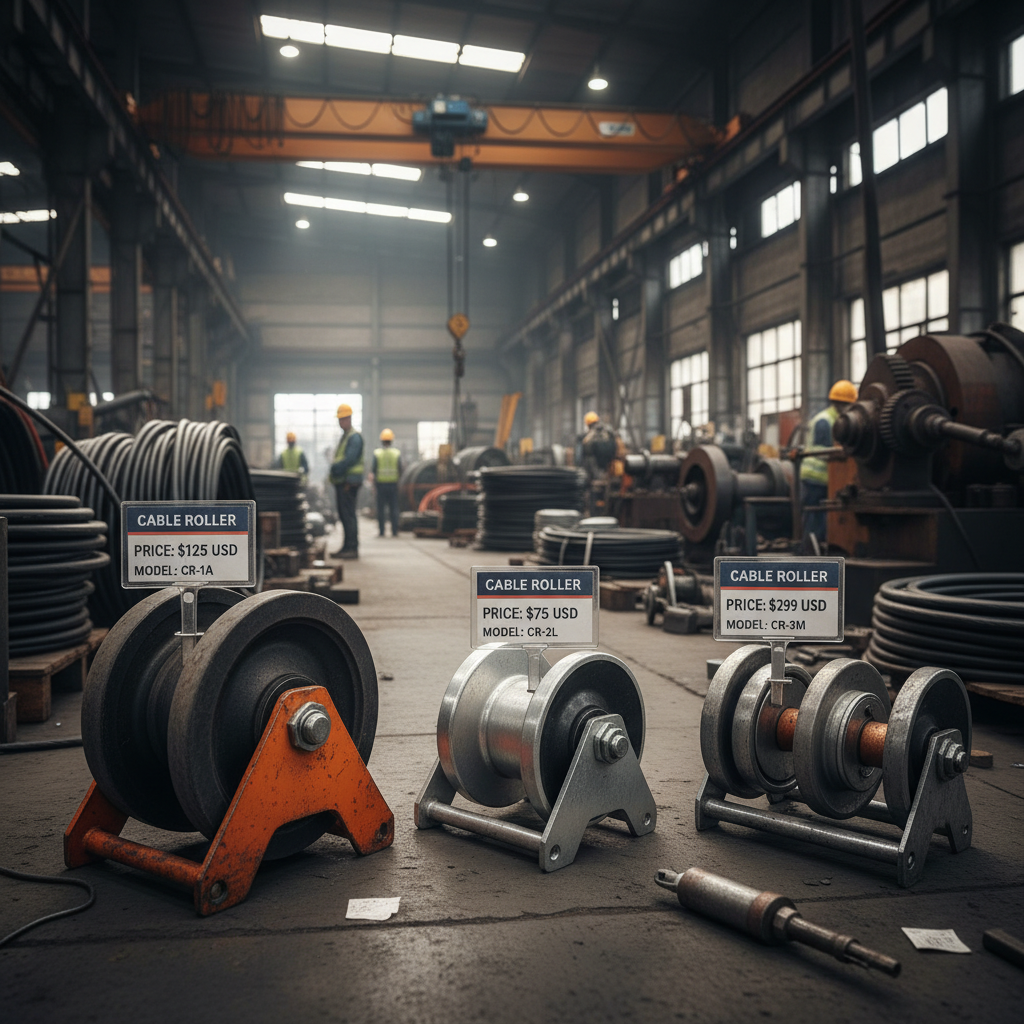
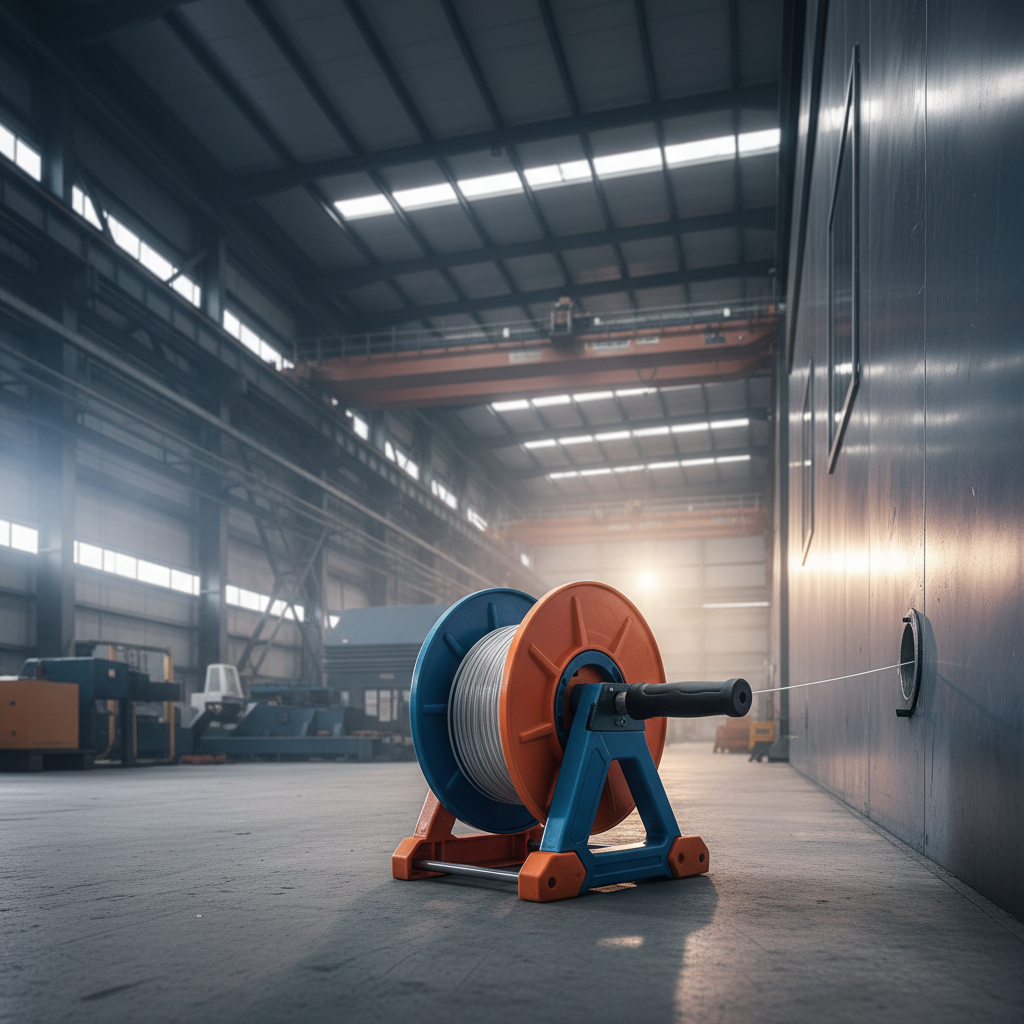
When procuring critical lifting and rigging hardware, the primary concern for procurement managers often starts with shackles price, yet this figure is rarely a standalone metric. In industrial metal tool manufacturing, the cost of a shackle is a reflection of its grade, material certification, and Working Load Limit (WLL), making price a proxy for safety and operational reliability.
Understanding the variance in market pricing requires a deep dive into the technical specifications that drive value. From galvanized carbon steel for general utility to high-alloy forged steel for extreme marine environments, the financial investment fluctuates based on the risk mitigation the hardware provides.
For professionals in cable laying and utility construction, balancing the budget against stringent safety standards is a constant challenge. This analysis explores the cost drivers of rigging hardware and how to evaluate total cost of ownership beyond the initial purchase price.

Analyzing the Core Cost Drivers of Rigging Hardware

The volatility of the shackles price is predominantly tied to the global commodities market, specifically the cost of raw alloy steel. However, raw material is only a fraction of the final cost; the specialized forging process required to ensure grain flow alignment and structural integrity adds significant value.
Beyond materials, the certification process—including non-destructive testing (NDT) and proof-load testing—shifts a product from a "commodity" grade to an "industrial" grade. These certifications provide the legal and safety assurances required in construction and utility equipment sectors.
Finally, surface treatments such as hot-dip galvanization or stainless steel polishing impact the price based on the intended environmental exposure. Corrosion resistance is not just a feature but a cost-saving measure over the long term by reducing the frequency of hardware replacement.
Technical Specifications That Influence Market Valuation
Differentiation in pricing is most evident when comparing the grade of the steel used. Grade 80 and Grade 100 alloys offer higher strength-to-weight ratios than standard carbon steel, allowing for lighter hardware that can support heavier loads, which commands a premium price.
The design of the shackle—whether it is a bow shackle for multi-directional loading or a D-shackle for straight-line pulls—also affects the manufacturing complexity. Bow shackles require more precise forging to maintain strength across the curve, often resulting in a higher cost than the simpler D-shape.
Furthermore, the locking mechanism—screw pins versus bolt-and-nut assemblies—creates a price gap. Bolt-type shackles are essential for permanent or long-term installations where vibration might loosen a screw pin, justifying the additional cost through increased security.
Critical Application Scenarios for High-Capacity Shackles
In the realm of cable laying tools and power equipment, shackles are used as primary connectors for pulling winches and cable drum jacks. In these high-tension environments, the cost of a failure far exceeds the purchase price of the hardware.
Utility construction projects often deploy these tools in rugged terrains where equipment is subject to extreme mechanical shock. Here, the demand is for hardware that can withstand sudden load spikes without permanent deformation, requiring a focus on high-yield strength materials.
Another critical scenario is in hot-line tools and hydraulic equipment installations, where precision and reliability are paramount. In these specialized fields, hardware must meet exact dimensional tolerances to ensure seamless integration with other lifting components, often necessitating customized production.
Comparing Lifecycle Value and Operational Efficiency
Evaluating the economic impact of hardware requires looking at the "Cost per Lift" rather than the unit price. Low-cost, uncertified shackles often suffer from premature wear and fatigue, leading to frequent replacements and unplanned downtime.
When we analyze the performance of high-grade forged hardware, we see a marked increase in operational uptime. The ability to maintain structural integrity over thousands of cycles reduces the overall maintenance burden on construction and utility fleets.
Hardware Reliability Performance Metrics
The data suggests that while the initial investment in certified hardware is higher, the reduction in replacement frequency and the mitigation of safety risks result in a lower total cost of ownership (TCO) over a 3-year operational window.
Procurement Strategies for Industrial Grade Hardware
Effective procurement begins with a detailed risk assessment. Managers should categorize their hardware needs into "Critical Path" (where failure is catastrophic) and "General Utility" (where failure is manageable). This allows for optimized budget allocation.
When evaluating suppliers, the presence of material traceability is non-negotiable. A reputable supplier provides mill certificates that document the chemical composition and physical properties of the steel, ensuring the hardware meets the claimed specifications.
Bulk purchasing and long-term framework agreements can mitigate the impact of raw material price fluctuations. By locking in volumes with a specialized manufacturer, companies can ensure a steady supply of critical components regardless of market volatility.
Emerging Trends in Material Science and Pricing
The industry is seeing a gradual shift toward the use of advanced alloys that offer superior strength without increasing the bulk of the hardware. These materials could potentially lower transport costs and improve ease of handling on site.
Automation in the forging and machining process is likely to stabilize pricing by reducing labor-intensive production steps. Precision CNC machining for pin threads and seating surfaces ensures a tighter fit, reducing wear and tear over time.
There is also an increasing focus on sustainable coatings. New eco-friendly alternatives to traditional chromate conversion coatings are being developed, which may influence pricing as regulatory pressures on chemical usage increase in the manufacturing sector.
Hardware Selection Guide Based on Budget and Risk
Choosing the right rigging hardware requires a balance between the available budget and the technical requirements of the task. The following table outlines the trade-offs between different hardware categories.
Decision makers should refer to the Working Load Limit (WLL) and environmental factors to determine which category fits their specific deployment scenario.
| Hardware Category | Primary Material | Typical Application | Cost Factor |
|---|---|---|---|
| Utility Grade | Carbon Steel | Light-duty lifting | Low |
| Industrial Grade | Forged Alloy Steel | Construction Site | Moderate |
| Marine Grade | Galvanized Alloy | Offshore/Saltwater | High |
| High-Strength | Grade 100 Alloy | Heavy Industrial | Very High |
| Corrosion-Resistant | 316 Stainless Steel | Chemical Plants | Premium |
| Custom Engineered | Specialized Alloy | Unique Project Needs | Project-Based |
Ultimately, the selection process should be governed by a safety-first approach, ensuring that the equipment's capacity is never exceeded and that all components are regularly inspected for fatigue.
Frequently Asked Questions
Conclusion
Navigating the complexities of rigging hardware procurement requires moving beyond a simple focus on the unit price. By understanding the interplay between material science, certification standards, and operational risk, companies can make informed decisions that protect both their personnel and their bottom line.
For organizations seeking reliable tools for cable laying and utility construction, investing in certified, high-grade hardware is the only viable strategy for long-term safety. Readers evaluating these requirements can review the relevant product and company information available through www.bilopowtel.com.