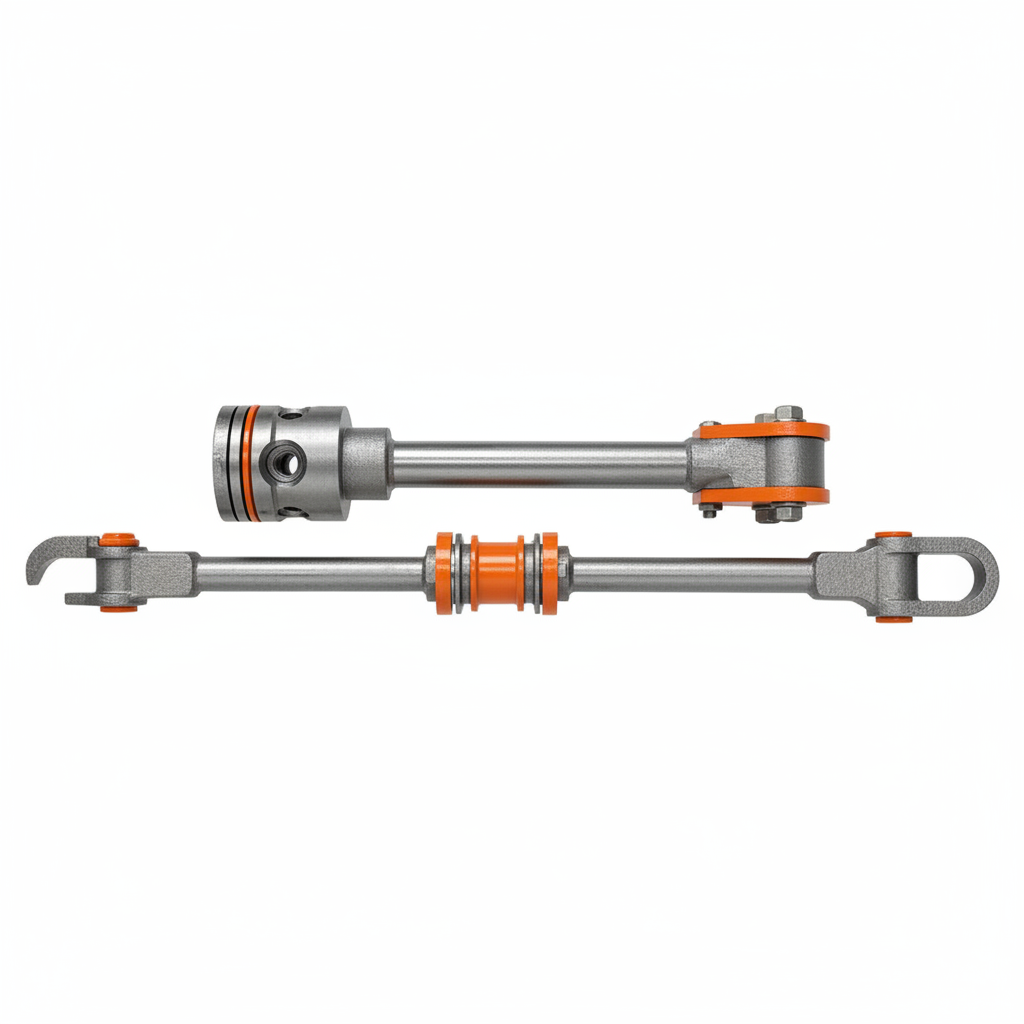
The modern infrastructure landscape relies heavily on the ability to deploy fiber optics and electrical cabling swiftly and safely. A 1000 duct rodder serves as the backbone of this process, providing the necessary rigidity and reach to navigate complex underground conduits. By streamlining the initial "push" phase of cable installation, these tools reduce labor hours and minimize the risk of cable damage during the pulling process.
Globally, the demand for high-speed data transmission and stable power grids has surged, making the efficiency of cable laying tools a critical economic factor. The use of a high-quality 1000 duct rodder ensures that municipal planners and private contractors can meet tight deadlines while adhering to strict safety standards. Without such specialized equipment, the cost of urban digitalization and utility upgrades would escalate due to increased manual labor and frequent conduit blockages.
Understanding the technical nuances of a 1000 duct rodder—from its material composition to its tensile strength—allows engineers to optimize their workflow for various soil types and duct diameters. Whether dealing with long-distance rural spans or dense metropolitan networks, the right rodder transforms a potentially grueling task into a precise mechanical operation. This guide explores the global relevance, technical specifications, and future innovations surrounding these essential utility tools.
Global Relevance of 1000 Duct Rodder Systems
In an era of rapid urbanization, the deployment of underground utilities is governed by the need for speed and reliability. The 1000 duct rodder has become a global standard for technicians who must navigate the labyrinthine conduit systems of smart cities. According to industry trends aligned with ISO quality standards, the transition toward fiberglass and high-strength polymers in rodder construction has significantly reduced failure rates in long-distance cable pulls.
The challenge often lies in the "blind" nature of underground work, where unexpected bends or debris can halt a project. By utilizing a 1000 duct rodder, crews can effectively probe the integrity of a conduit before committing expensive cabling to the run. This preventative approach saves millions in potential replacement costs and ensures that critical communication links are established without unforeseen delays.
Defining the 1000 Duct Rodder and Its Core Purpose
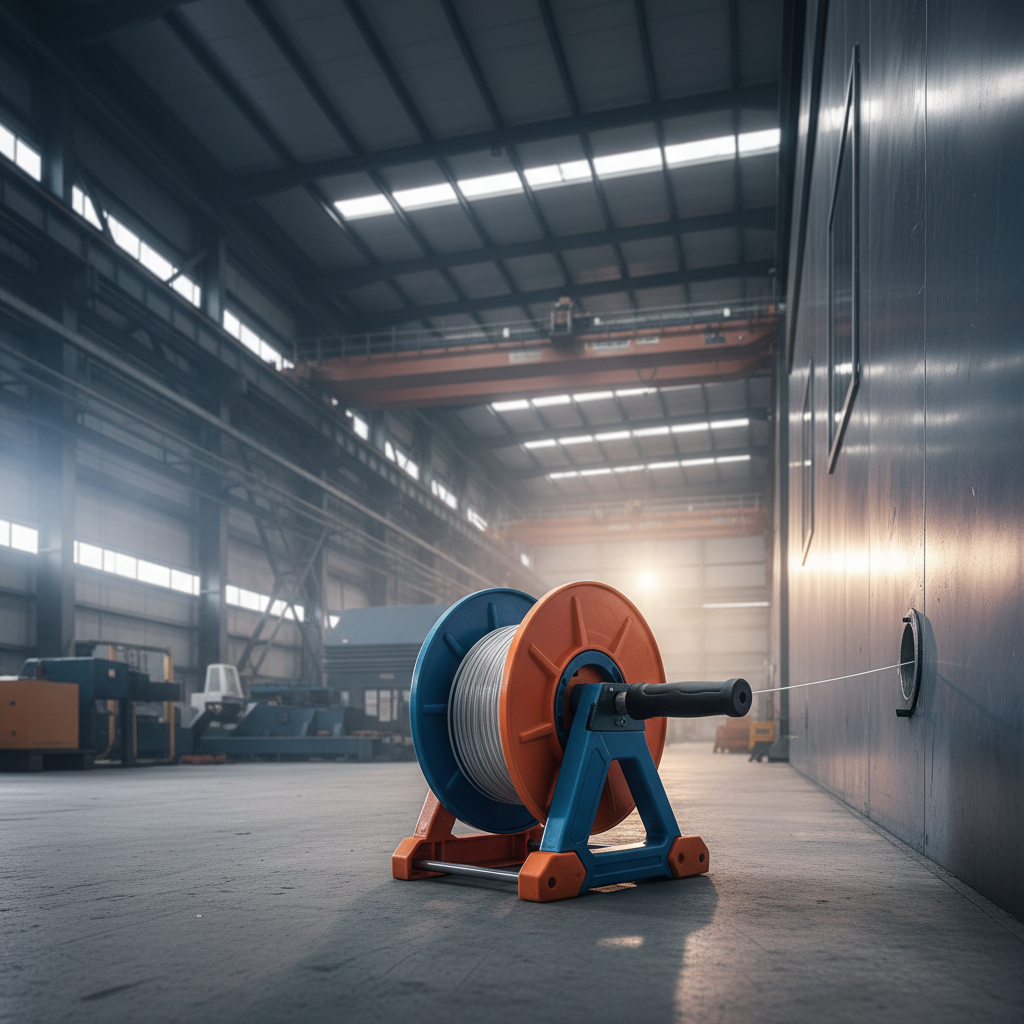
At its most basic level, a 1000 duct rodder is a specialized tool consisting of a flexible yet rigid rod—typically 1000 feet or meters in length—housed in a drum or reel for easy deployment. Its primary function is to be pushed through a duct or conduit to create a path, after which a pull-string or the actual cable is attached to the end and hauled through.
Beyond simple pushing, the 1000 duct rodder serves as a diagnostic tool. If a rodder encounters a blockage, the feedback felt by the operator can help pinpoint the location of a collapsed pipe or an obstruction, allowing for targeted repairs rather than blind digging. This makes it an essential component of the "Construction and Utility Tools" category.
In the context of humanitarian needs, such as restoring connectivity in post-disaster zones, these tools are indispensable. Rapidly deploying telecommunication lines via underground ducts allows for a secure and protected recovery of infrastructure, ensuring that emergency services can communicate effectively without the vulnerability of overhead lines.
Technical Components for Maximum Durability
The effectiveness of a 1000 duct rodder is rooted in its material science. High-grade fiberglass reinforced plastic (FRP) is commonly used to balance the need for flexibility with the requirement for high axial stiffness. This prevents the rod from buckling under pressure while navigating the curves of a standard utility conduit.
Another critical component is the surface treatment. A low-friction coating is applied to the 1000 duct rodder to minimize drag against the inner walls of the HDPE or PVC pipes. This reduces the physical effort required for the push and prevents the rod from "binding" in tight turns, which is often the primary cause of rod breakage in the field.
Finally, the reel assembly and the guiding head must be engineered for heavy-duty use. A robust steel frame prevents the drum from warping, while the interchangeable guiding heads allow the 1000 duct rodder to be adapted for different duct diameters and shapes, ensuring a snug fit and a smooth trajectory.
Performance Metrics and Efficiency Standards
When evaluating a 1000 duct rodder, professionals look at the balance between tensile strength and flexibility. A rod that is too rigid will snap in a 90-degree bend, while one that is too flexible will fail to push through a long run. The "Push-to-Pull" ratio is a key metric that determines how efficiently a technician can transition from the rodding phase to the cabling phase.
Efficiency is also measured by the weight-to-length ratio, as these tools must be portable enough for two-person crews to move across a job site. Modern 1000 duct rodder designs incorporate lightweight alloys in the frame and high-modulus composites in the rod to maximize reach without compromising on the ease of transport.
Comparative Efficiency of 1000 Duct Rodder Variants
Global Applications in Modern Infrastructure
The deployment of a 1000 duct rodder is critical in the rollout of 5G networks, where small cell sites require precise fiber connections through dense urban conduits. In North America and Europe, municipal utility companies use these tools to upgrade aging copper lines to high-capacity fiber, navigating legacy pipes that were not originally designed for modern cabling.
In remote industrial zones, such as mining operations in Australia or oil fields in the Middle East, the 1000 duct rodder is used to install protected power and communication lines that must resist extreme environmental pressure. In these scenarios, the rodder's ability to push through long, straight runs without buckling is the primary factor in reducing the number of expensive access manholes required.
Long-Term Value and Operational Safety
Investing in a professional-grade 1000 duct rodder provides significant long-term financial value by reducing the "cost per pull." When cheap, low-quality rods snap inside a duct, the resulting "fishing" operation to remove the broken pieces can cost ten times the price of a premium rodder. Reliability in the field translates directly to project profitability and client trust.
From a safety perspective, the 1000 duct rodder minimizes the need for manual digging and trenching, which are high-risk activities. By utilizing existing duct systems, workers are less exposed to unstable soil or traffic hazards. Furthermore, the ergonomic design of modern reels reduces the physical strain on linemen, preventing long-term musculoskeletal injuries.
Beyond the physical tool, the integration of a 1000 duct rodder into a standard operating procedure (SOP) ensures that cable integrity is maintained. By ensuring a smooth path before pulling, there is a drastically lower chance of stripping the cable jacket or damaging internal fibers, ensuring the longevity of the network's lifespan.
Future Trends in Duct Rodding Technology
The future of the 1000 duct rodder is moving toward "intelligent" rodding. We are seeing the emergence of rods embedded with fiber-optic sensors that can detect the exact angle of a bend or the presence of water and silt within the duct in real-time. This digital transformation allows technicians to map underground conduits with millimeter precision.
Sustainability is also driving innovation. New bio-composites are being tested to replace traditional fiberglass, aiming to create a more eco-friendly 1000 duct rodder that maintains the same tensile strength but is easier to recycle at the end of its service life. This aligns with global green energy initiatives and the push for sustainable construction practices.
Automation is the final frontier; pneumatic and electric-drive pushing systems are being integrated into the rodder reels. These systems eliminate the manual labor of pushing the 1000 duct rodder, providing a constant, controlled force that reduces the risk of rod buckling and significantly speeds up the installation process in massive infrastructure projects.
Analysis of 1000 Duct Rodder Technical Specifications and Performance
| Rodder Material |
Tensile Strength (kN) |
Flexibility Score (1-10) |
Recommended Use Case |
| Standard Fiberglass |
5-8 |
7 |
General Residential |
| Low-Friction Composite |
8-12 |
8 |
Urban Fiber Rollout |
| High-Modulus Carbon |
15-20 |
6 |
Long-Distance Industrial |
| Reinforced Polymer |
6-10 |
9 |
Complex Tight Bends |
| Hybrid Alloy-Fiber |
12-18 |
7 |
Heavy Duty Utility |
| Eco-Bio Composite |
7-11 |
8 |
Sustainable Projects |
FAQS
The ideal diameter depends on the conduit size, but generally, a diameter that occupies 60-80% of the duct's inner space is best. This provides enough rigidity to push through bends without getting stuck. For most urban fiber ducts, rod diameters between 9mm and 13mm are common for a 1000 duct rodder system.
To prevent snapping, avoid applying excessive force when the rod hits a blockage. Instead, try pulling back slightly and pushing again. Using a low-friction lubricant on the rod and ensuring the rod is properly supported by the reel during deployment also significantly reduces the risk of structural failure.
Yes, most 1000 duct rodder systems are compatible with PVC, HDPE, and steel conduits. However, the choice of guiding head is crucial. For smooth-walled plastic pipes, a standard rounded head works best, while for rougher industrial conduits, a reinforced, conical head may be necessary to navigate internal ridges.
It is recommended to inspect the rod for cracks, splinters, or surface abrasions after every major project. Special attention should be paid to the first 50 feet of the rod and the guiding head, as these areas endure the most stress. Replacing worn segments early prevents catastrophic failure during a critical pull.
While not a dedicated cleaning tool, a 1000 duct rodder can push through minor silt or light debris. However, for significant blockages, it is safer to use a dedicated duct cleaning brush or high-pressure air before attempting to rod the line, to avoid putting too much stress on the composite material.
A fish tape is typically steel or nylon and is used for short distances (usually under 200 feet) in electrical boxes. A 1000 duct rodder is a heavy-duty tool designed for massive distances and larger conduits, offering much higher rigidity and tensile strength to handle the demands of outdoor utility infrastructure.
Conclusion
The 1000 duct rodder is far more than a simple piece of equipment; it is a critical enabler of modern connectivity and energy distribution. By combining advanced material science with ergonomic design, it solves the fundamental challenge of underground cable installation: creating a reliable path through an invisible environment. From the reduction of labor costs to the enhancement of worker safety, the value of a high-quality rodder is evident in every successfully deployed mile of fiber or power cable.
Looking ahead, the integration of smart sensors and sustainable materials will further refine the efficiency of duct rodding. For contractors and utility managers, investing in premium tools today ensures a future-proof infrastructure that can adapt to the increasing demands of a digital society. To ensure your projects are completed with precision and safety, we recommend choosing equipment that meets the highest industrial standards. Visit our website for more professional solutions: www.bilopowtel.com